
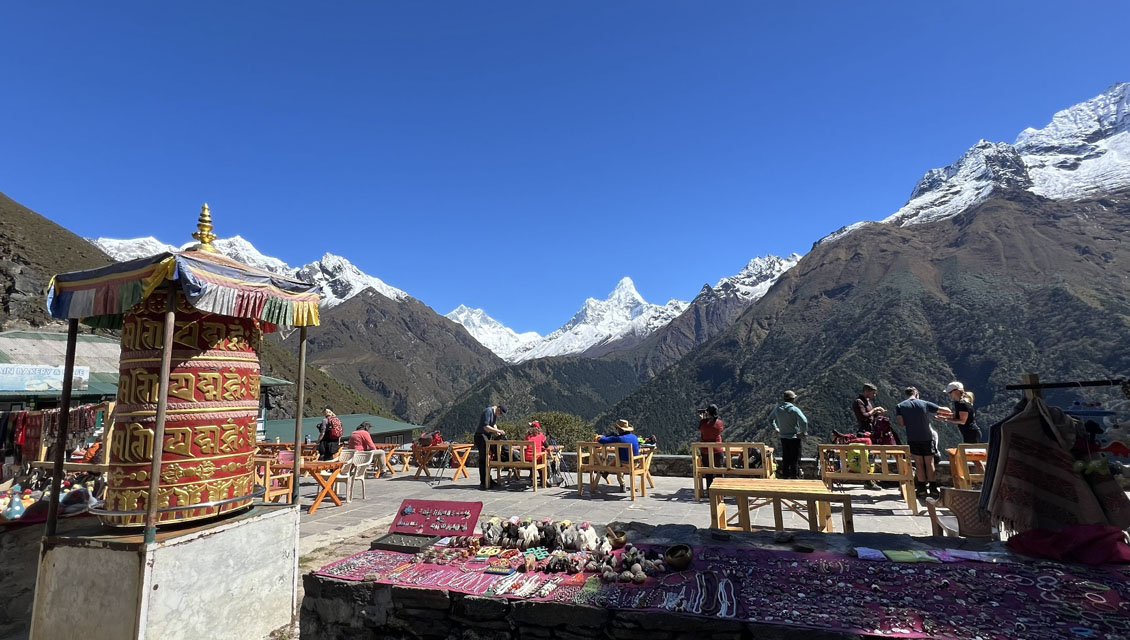
Reaching Everest Base Camp is one of the most sought-after Himalayan experiences, yet the journey involves far more than simply arriving at a destination. For first-time trekkers, understanding how to get to Everest Base Camp means planning the full sequence from Kathmandu through the mountain airstrip at Lukla and onward along the classic Khumbu trail.
This guide covers location, transport, itinerary length, physical preparation, altitude management, permits, packing, guides, costs, and common pitfalls. It is written for international travelers undertaking their first multi-day high-altitude trek in Nepal.
Where Is Everest Base Camp Located?
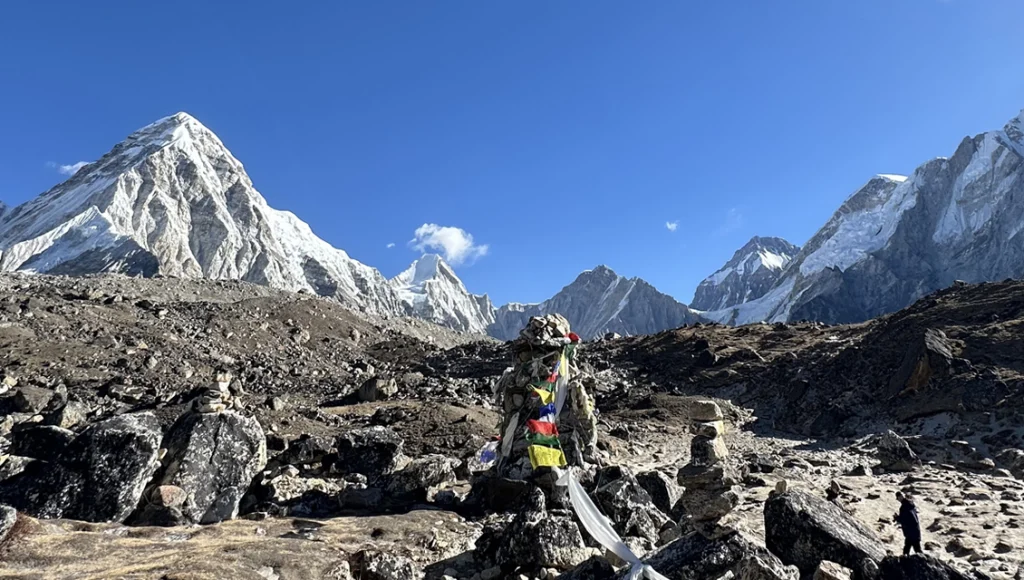
Everest Base Camp (South) sits in the Khumbu region of northeastern Nepal, inside Sagarmatha National Park, a UNESCO World Heritage Site. The camp lies on the Khumbu Glacier at approximately 5,364 metres (17,598 feet) above sea level, at the foot of the Khumbu Icefall on the Nepal side of Mount Everest.
Nearby landmarks include Gorak Shep (the highest overnight settlement at about 5,164 m), Lobuche, Dingboche, Tengboche, and Namche Bazaar. The trail follows the Dudh Koshi and Imja Khola valleys through Sherpa villages before reaching the high alpine zone. A North Base Camp exists on the Tibetan side at a lower elevation and is reached by road, but the classic trekking destination referred to by most visitors is the southern camp in Nepal.
How to Get to Everest Base Camp from Kathmandu
Step 1 – Arrive in Kathmandu, Nepal
International flights land at Tribhuvan International Airport. Most trekkers spend one or two nights in Kathmandu for final equipment checks, permit arrangements, and rest. Use this time to confirm flight tickets to the Everest region, meet your guide or agency, and address any last-minute gear needs. Kathmandu sits at about 1,400 m, so the body begins mild acclimatization even before the mountain flights.
Step 2 – Travel from Kathmandu to Lukla
The standard gateway is Tenzing-Hillary Airport in Lukla (approximately 2,840–2,860 m). Flights from Kathmandu take 30–40 minutes in quieter periods. During peak spring (roughly mid-March to mid-May) and autumn (late September to late November) seasons, most scheduled flights operate from Manthali Airport in Ramechhap, a 4–5 hour drive from Kathmandu. This requires a very early departure, often between midnight and 2 a.m.
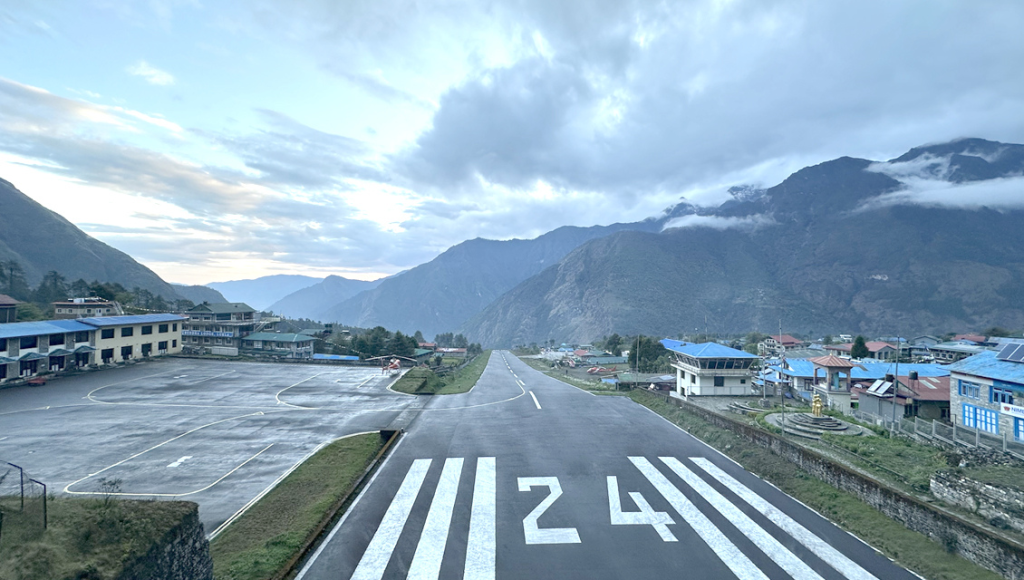
Weather frequently delays or cancels Lukla flights because of the short runway and mountain conditions. Build buffer days into your schedule. Alternative road approaches exist via Salleri/Phaplu or the longer traditional Jiri route, but these add several days of walking and are less common for first-time visitors focused on the classic itinerary.
Step 3 – Begin the Trek from Lukla
From Lukla the trail descends slightly to Phakding, then climbs steadily toward Namche Bazaar (about 3,440 m), the main hub of the Khumbu. Subsequent stages pass Tengboche (famous for its monastery), Dingboche, Lobuche, and Gorak Shep. The route is a well-established teahouse trail with daily walking distances typically ranging from 5–8 hours, depending on the stage and individual pace.
Step 4 – Reach Everest Base Camp
The final push is usually from Lobuche to Gorak Shep, followed by the out-and-back walk to Everest Base Camp itself. Most itineraries overnight at Gorak Shep and include an optional early-morning ascent of Kala Patthar (approximately 5,545 m) for the clearest views of Everest. The return journey follows the same trail back to Lukla, often at a faster pace once altitude is no longer a limiting factor.
How Many Days Does It Take to Reach Everest Base Camp?
A typical guided itinerary lasts 12–15 days from Kathmandu to Kathmandu, including the Lukla flights and two acclimatization days (commonly at Namche Bazaar and Dingboche). Pure trekking days from Lukla to Base Camp and back usually span 11–12 days when rest days are included.
Rushing the ascent increases the risk of altitude illness. Total trip length should also allow for possible flight delays on both the outbound and return legs. Many operators schedule a buffer day in Kathmandu or Lukla for this reason.
Best Time to Trek to Everest Base Camp
The two primary seasons are spring (March–May) and autumn (September–November).
- Spring offers milder temperatures, rhododendron blooms at lower elevations, and the presence of climbing expeditions at Base Camp.
- Autumn generally provides the clearest skies and most stable weather after the monsoon.
Winter (December–February) is colder with shorter days and possible snow on higher trails, but trails are quieter. The monsoon (June–August) brings rain, cloud, leeches at lower elevations, and more frequent flight disruptions; it is generally avoided for first-time trekkers. No season guarantees perfect weather or uninterrupted flights.
Can Beginners Trek to Everest Base Camp?
Previous multi-day trekking experience is helpful but not mandatory. Many first-time Himalayan trekkers complete the route successfully with proper preparation, a realistic itinerary, and professional guidance.
Daily walking is sustained rather than technical. Expect 5–8 hours on varied terrain that includes stone steps, suspension bridges, and rocky moraine. Good cardiovascular fitness, the ability to walk with a daypack for several consecutive days, and mental readiness for simple teahouse living are more important than prior high-altitude experience. A well-paced itinerary with built-in acclimatization days significantly improves success rates for beginners.
Physical Preparation Before Your First Everest Base Camp Trek
Begin training 8–12 weeks in advance. Focus on:
- Cardiovascular endurance (running, cycling, or swimming 3–4 times per week)
- Long walks or hikes with a weighted backpack (start light and progress to 6–8 kg)
- Stair climbing or hill repeats to simulate the constant uphill sections
- Strength work for legs, core, and shoulders
- Gradual increase in duration and intensity
Practice walking on consecutive days. Include at least a few longer day hikes that exceed 6 hours. Consult a doctor before starting any intensive program, especially if you have pre-existing conditions.
Understanding Altitude Sickness and Acclimatization
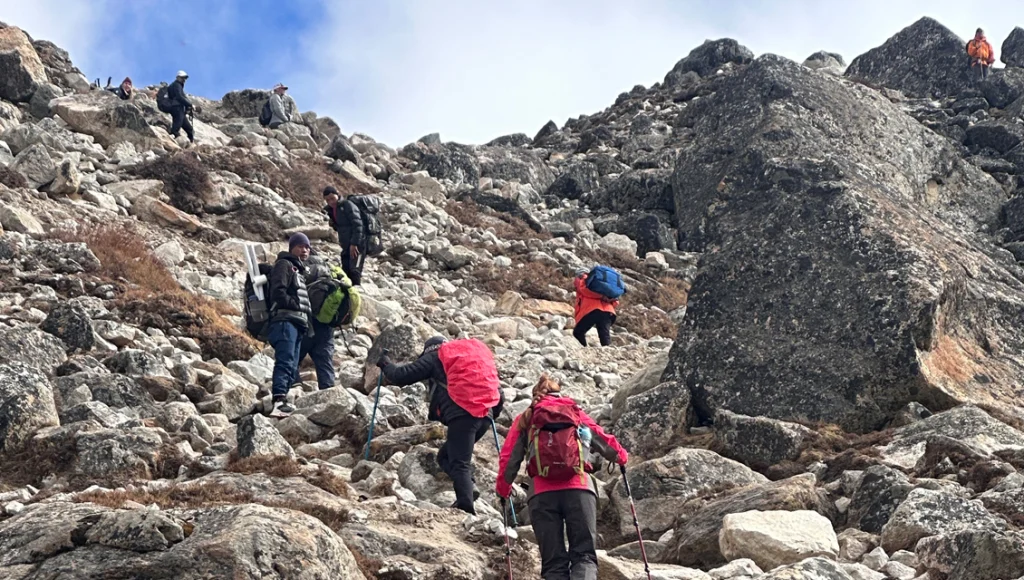
At Everest Base Camp the partial pressure of oxygen is roughly half that at sea level. The body needs time to adapt through increased red-blood-cell production and other physiological changes.
Common early symptoms of Acute Mountain Sickness (AMS) include headache, nausea, loss of appetite, fatigue, and poor sleep. More serious conditions (HAPE or HACE) require immediate descent. Fitness does not prevent altitude illness; genetics and rate of ascent play larger roles.
Standard protective practices include: ascending no more than 300–500 m in sleeping elevation per day above 3,000 m when possible, incorporating rest/acclimatization days, staying well hydrated, avoiding alcohol, and descending if symptoms worsen. Guides monitor groups and carry protocols for emergency evacuation. Seek professional medical advice before travel and consider discussing acetazolamide (Diamox) with a physician.
Permits Required for Everest Base Camp Trek
Two main permits are required for the standard Lukla-to-Base Camp route:
- Sagarmatha National Park Entry Permit – approximately NPR 3,000 for most foreign nationals (lower for SAARC nationals). Obtainable at the Nepal Tourism Board office in Kathmandu or at the Monjo checkpoint.
- Khumbu Pasang Lhamu Rural Municipality Permit (local trek card) – approximately NPR 2,000–3,000. Issued in Lukla or at Monjo.
TIMS is generally not collected for the classic Khumbu route under current local arrangements, though official guidance can vary. Fees and exact procedures can change; always verify current requirements closer to travel dates through the Nepal Tourism Board or your operator. A licensed guide is required under national regulations introduced in 2023 for foreign trekkers in many protected areas; enforcement in the Khumbu has varied, but traveling with a licensed guide is both practical and widely recommended.
What Should First-Time Trekkers Pack?
Layering is essential because temperatures swing widely between day and night and with altitude.
Clothing
- Moisture-wicking base layers
- Insulating mid-layers (fleece or light down)
- Warm insulated jacket
- Waterproof/breathable outer shell jacket and trousers
- Trekking trousers and shirts
- Warm hat, sun hat, gloves (liner + insulated)
Footwear
- Well broken-in waterproof trekking boots with ankle support
- Comfortable camp shoes or sandals
- Several pairs of quality hiking socks
Equipment
- 30–40 L daypack with rain cover
- Sleeping bag rated to at least –10 °C to –15 °C
- Trekking poles
- Headlamp with spare batteries
- Water bottles or hydration system plus purification method
- Sunglasses (UV protection) and sunscreen
Personal essentials
- Personal medications and basic first-aid supplies
- Toiletries, quick-dry towel, hand sanitizer
- Documents (passport, insurance, permits, cash)
Renting bulky items such as sleeping bags or down jackets in Kathmandu is common and reduces luggage weight on the Lukla flight.
Do You Need a Guide or Porter for Everest Base Camp?
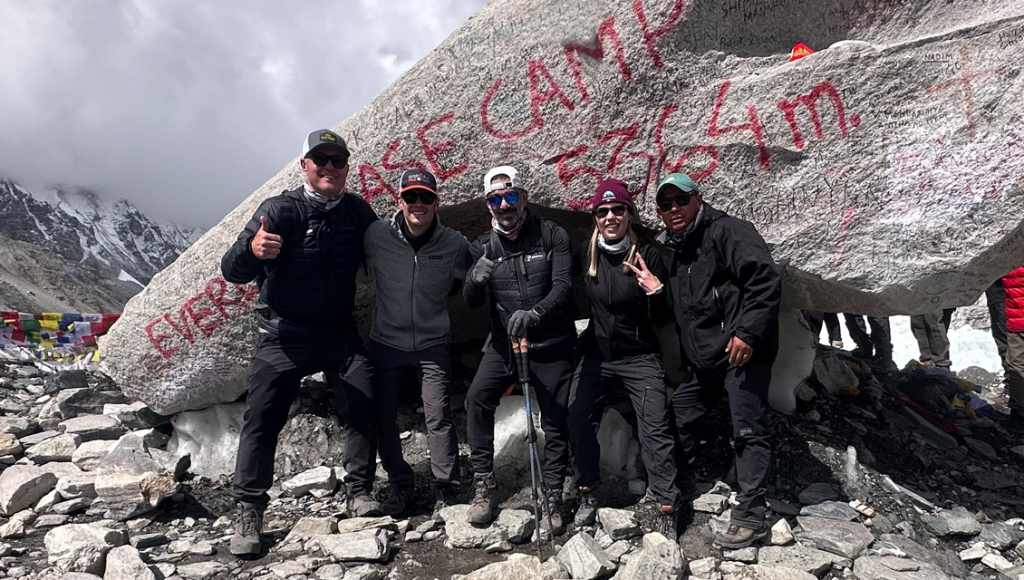
A licensed local guide provides route knowledge, cultural insight, lodge coordination, altitude monitoring, and emergency support. Porters carry the bulk of the luggage (usually limited to 10–15 kg per person), allowing trekkers to walk with only a daypack. This combination improves safety and enjoyment, especially for first-timers.
Responsible operators ensure fair wages, proper equipment, and insurance for staff. Current regulations favor guided travel for foreign visitors in protected areas; confirm the latest rules with your agency.
How Much Does the Everest Base Camp Trek Cost?
Costs vary widely according to group size, standard of service, season, and whether the trip is fully packaged or more independent. Main components include:
- International flights to Kathmandu
- Kathmandu hotels
- Lukla (or Ramechhap–Lukla) flights
- Permits
- Licensed guide and porter
- Teahouse accommodation and meals on the trail
- Equipment (purchase or rental)
- Comprehensive travel insurance covering high-altitude trekking and helicopter evacuation
- Contingency funds for delays or extras
Package prices from established operators commonly fall in a broad mid-range for a standard 14–15 day itinerary; exact figures should be confirmed directly with providers for the current season. Budget additional funds for tips, hot showers, charging, Wi-Fi, and personal expenses.
Common Mistakes First-Time Everest Base Camp Trekkers Should Avoid
- Choosing an itinerary that is too short and lacks proper acclimatization days
- Ignoring early symptoms of altitude illness
- Wearing brand-new boots that have not been broken in
- Underestimating cold at higher elevations and night-time temperatures
- Overpacking and exceeding flight weight limits
- Failing to purchase insurance that covers helicopter rescue from high altitude
- Not building buffer days for Lukla flight delays
- Treating the trek as a race rather than a gradual ascent
Why Trek Everest Base Camp with Nord Extreme Himalaya?
Nord Extreme Himalaya is a Nepal-based operator specializing in Himalayan trekking and peak experiences. The company focuses on well-structured itineraries, experienced local guides, attention to acclimatization, and responsible practices. Their standard Everest Base Camp Trek is a 15-day program that follows the classic route with the necessary rest days.
For full itinerary details, departures, and inclusions, see the Everest Base Camp Trek package.
Frequently Asked Questions About Getting to Everest Base Camp
How do you get to Everest Base Camp from Kathmandu?
Fly to Lukla (directly or via Ramechhap in peak season), then trek 8–9 days with acclimatization stops through Namche, Tengboche, Dingboche, Lobuche, and Gorak Shep.
Can a beginner trek to Everest Base Camp?
Yes, provided fitness is adequate, the itinerary includes proper acclimatization, and professional guidance is used.
How many days does it take to reach Everest Base Camp?
Most complete trips last 12–15 days from Kathmandu, including flights and rest days.
Is Everest Base Camp difficult to reach?
The trail is non-technical but sustained and high. Difficulty comes mainly from altitude, daily walking volume, and weather rather than technical climbing.
Do you need a guide for Everest Base Camp?
National regulations introduced in 2023 require licensed guides for foreign trekkers in many protected areas. A guide is strongly recommended for safety and logistics even where local enforcement varies.
What is the best month to trek to Everest Base Camp?
October–November and March–April/May offer the most reliable conditions for most first-time trekkers.
How much does the Everest Base Camp trek cost?
Package costs vary; confirm current inclusions and pricing with operators. Independent budgeting should cover flights, permits, guides/porters, lodging, food, insurance, and contingency.
What is the altitude of Everest Base Camp?
Approximately 5,364 metres (17,598 feet).
Can you reach Everest Base Camp without flying to Lukla?
Yes, via longer road-and-trek approaches from Salleri, Phaplu, or Jiri, but these add days and are less common for standard first-time itineraries.
Is altitude sickness common on the Everest Base Camp trek?
Mild symptoms are relatively common. Serious illness is less frequent when ascent is gradual and rest days are observed, but every trekker remains susceptible.
Conclusion
Getting to Everest Base Camp is a multi-stage process that begins in Kathmandu, continues with the mountain flight to Lukla, and unfolds over days of steady walking through the Khumbu. Success for first-time trekkers rests on realistic time planning, physical preparation, respect for altitude, appropriate equipment, and experienced local support.
With careful preparation the route is achievable and deeply rewarding. For a structured, professionally guided experience on the classic trail, explore the Everest Base Camp options offered by Nord Extreme Himalaya and contact the team with any specific questions about dates, fitness, or logistics.


