- 27 Aug, 2026
Travel with Confidence, Guided by Sherpa's !
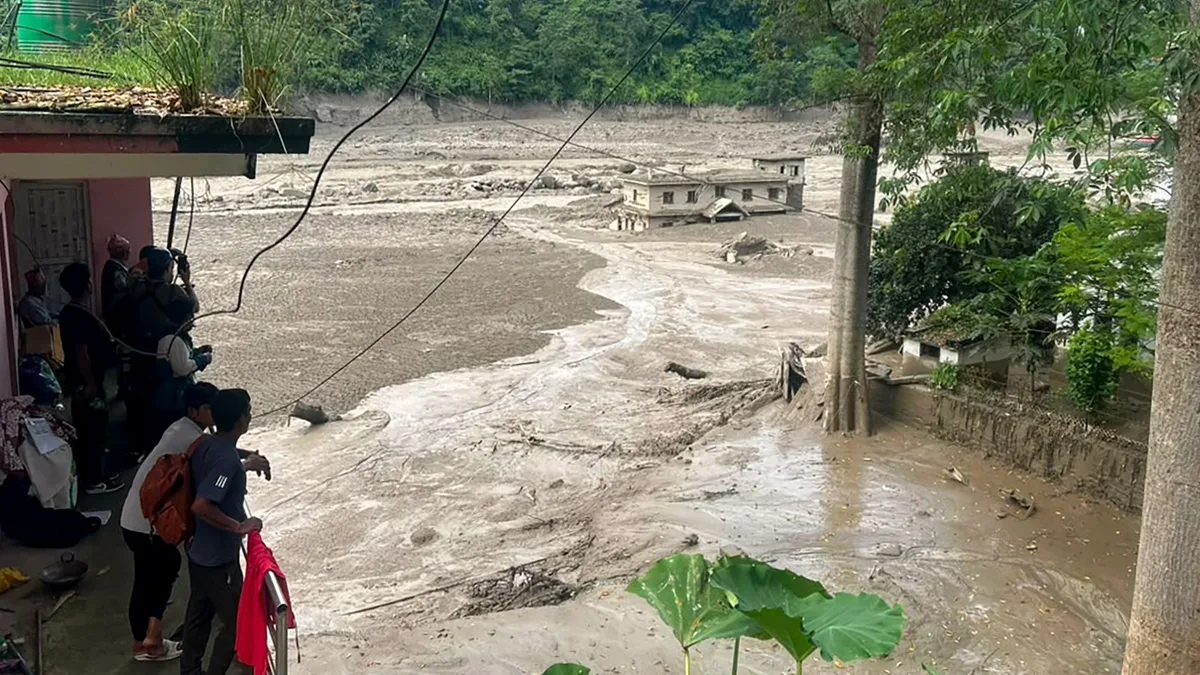
On 26 August 2026, a landslide, glacial collapse, and flash flood struck the Timure–Rasuwa area of northern Nepal, damaging roads, bridges, and settlements along the Bhote Koshi and Lhende river corridors — especially around Timure, Rasuwagadhi, and Syabrubesi. If you're planning a Nepal trekking trip, here's what's confirmed, what it means for your itinerary, and how to stay safe during monsoon season.
Nord Extreme Himalaya extends its deepest sympathy to everyone affected - the families, communities, and local authorities now working through rescue, recovery, and assessment operations, which remain ongoing as conditions continue to be monitored closely.
The Langtang trekking region is currently affected mainly by damage to access infrastructure, particularly the road corridor toward Syabrubesi. The safety of individual sections of the Langtang trail itself is still being assessed by relevant authorities.
Current advisory: We do not recommend immediate travel through the Timure–Syabrubesi/Rasuwa corridor until safety assessments are complete and access is officially confirmed as safe.
Guest, guide, porter, and local community safety remains the top priority. Departures to Langtang will stay on hold while we monitor official information, weather, and infrastructure updates.
Based on currently available information, the 26 August incident is geographically concentrated in the Rasuwa/Bhote Koshi area near the Nepal–Tibet border. The following major trekking regions are geographically separate and have not been reported as directly affected:
That said, this isn't a blanket guarantee of trail safety elsewhere. Nepal's mountain regions remain exposed to monsoon-season hazards - localized landslides, rockfall, flooding, road damage, and sudden trail changes. Always get current, route-specific safety information immediately before departure, regardless of region.
For every departure, our team will:
Nepal remains a diverse Himalayan trekking destination, and this disaster should not be read as a nationwide closure of trekking activity. We'll continue monitoring developments and share timely updates as reliable information becomes available.
Our thoughts remain with everyone affected by this tragedy, and our sincere appreciation goes out to the rescue personnel, local communities, government agencies, and volunteers working under difficult conditions to support those affected.
Nord Extreme Himalaya P. Ltd.
Kathmandu, Nepal
Tel: +977 9851078748 | Email: sonam@nordextreme.com | www.nordextreme.com
If you're dreaming of wild encounters with rhinos, elephants, and maybe even tigers — not...
When people think of wildlife safaris in Nepal, most immediately imagine Chitwan National Park. However,...
The Bumdra Trek—often called the Bumdra Monastery Trek—is a short yet stunning adventure in the...
Nord Extreme Himalaya (P) Ltd | © 2026 All Rights Reserved | Powered By: Thulo



Comments (0)