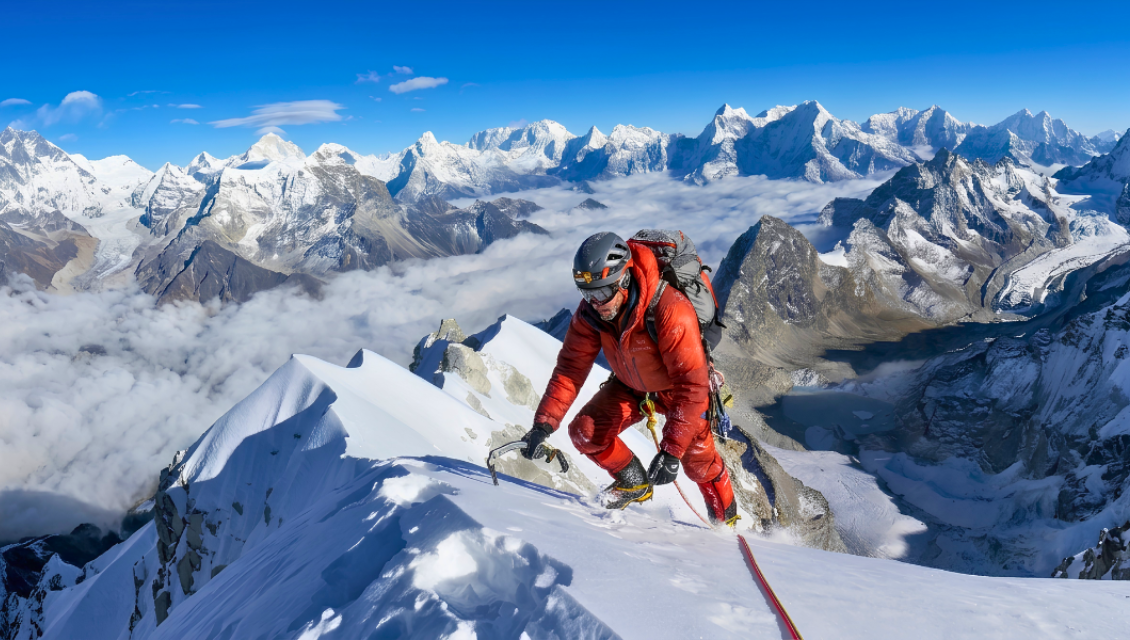
Peak Climbing in Nepal – The Gateway to Himalayan Mountaineering
Nepal is widely regarded as the ultimate destination for high-altitude adventure and mountaineering. Home to the world’s highest peaks, Nepal offers an exceptional opportunity for trekkers to transition from classic hiking experiences into real Himalayan climbing. Peak climbing in Nepal is ideal for adventurers who want to go beyond trekking but are not yet ready for extreme 8,000-meter expeditions.
These “trekking peaks,” managed by the Nepal Mountaineering Association (NMA), generally range between 5,500 meters and 6,600 meters. They combine high-altitude trekking routes with basic mountaineering skills such as rope handling, ice axe use, crampon walking, and glacier travel. With professional Sherpa guidance and well-established safety systems, peak climbing in Nepal is considered one of the safest and most rewarding ways to enter the world of mountaineering.
Why Choose Peak Climbing in Nepal?
Peak climbing in Nepal is the perfect progression for trekkers seeking a more technical and challenging adventure. It bridges the gap between trekking and full-scale mountaineering expeditions.
One of the key advantages is accessibility. Many peaks are suitable even for beginners with good physical fitness and prior trekking experience. Climbers do not necessarily need advanced technical skills, as professional guides provide training and support throughout the expedition.
Another important factor is safety and structure. Expeditions are organized with certified climbing guides, proper acclimatization schedules, and established logistics. This ensures a controlled environment where climbers can learn and progress safely.
Nepal also offers incredible diversity. Climbers can choose from a wide range of peaks across the Everest, Annapurna, Langtang, Manaslu, and remote western regions. Each region provides unique landscapes, cultural experiences, and mountain views. Along the way, travelers experience rich Himalayan cultures, including Sherpa, Tamang, and Gurung communities.
Compared to major expeditions like Everest or Manaslu, trekking peaks are more affordable, require less time, and are logistically simpler, while still delivering a true Himalayan climbing experience.
Popular Peak Climbing Regions in Nepal
Everest Region
The Everest region is the most popular destination for peak climbing due to its world-famous landscapes and iconic peaks.
- Island Peak (Imja Tse, 6189 m) is the most popular trekking peak in Nepal. It is ideal for beginners and offers a perfect introduction to glacier travel and rope climbing techniques.
- Mera Peak (6476 m) is the highest trekking peak in Nepal and is known for its non-technical ascent and breathtaking views of five 8,000-meter peaks, including Everest.
- Lobuche East (6119 m) is a more technical peak that requires basic climbing skills and offers a rewarding summit near Everest Base Camp.
- Pokalde Peak (5806 m) is a short and relatively easy climb often combined with Everest trekking routes.
- Nirekha Peak (6159 m) is a challenging technical peak located near Cho La Pass.
Annapurna Region
The Annapurna region is known for its scenic beauty and a wide range of climbing difficulty levels.
- Pisang Peak (6091 m) is a moderately difficult peak along the Annapurna Circuit with excellent mountain views.
- Chulu East (6419 m) offers a challenging climb with panoramic Himalayan scenery.
- Chulu West (6584 m) is more technical and requires longer expedition preparation.
- Tharpu Chuli (Tent Peak, 5663 m) is a beginner-friendly peak near Annapurna Base Camp.
- Hiunchuli (6441 m) is a technical and less frequently climbed peak for experienced climbers.
Langtang Region
The Langtang region is the closest climbing destination from Kathmandu, making it highly accessible.
- Yala Peak (5732 m) is one of the easiest trekking peaks in Nepal and is perfect for first-time climbers.
- Naya Kanga (5844 m) is a more technical climb involving glacier travel and rope techniques.
Remote & Adventure Regions
For those seeking remote wilderness and fewer crowds, Nepal offers excellent expedition-style peaks.
- Pharchamo Peak (6187 m) in Rolwaling Valley is a demanding climb often combined with high mountain passes.
- Dhampus Peak (6012 m) provides outstanding views of Dhaulagiri and Annapurna ranges.
- Tukuche Peak (6920 m) is a highly technical expedition peak suitable for experienced climbers.
- Paldor Peak (5896 m) offers a remote climbing experience in Ganesh Himal.
- Larke Peak (6249 m) lies in the Manaslu region and provides a true wilderness adventure.
Best Time for Peak Climbing
The best seasons for peak climbing in Nepal are:
Spring (March–May):
This is the most favorable season, offering stable weather, clear skies, and excellent climbing conditions.
Autumn (September–November):
Autumn provides crisp air, excellent visibility, and stable mountain weather, making it another ideal climbing period.
Winter and monsoon seasons are generally avoided due to extreme weather conditions and safety concerns.
Permits and Regulations
Peak climbing in Nepal requires proper permits issued by the Nepal Mountaineering Association (NMA). Additional permits may include TIMS cards and national park or conservation area entry permits.
All expeditions must be conducted with licensed guides and registered agencies to ensure safety, environmental responsibility, and compliance with national regulations.
Equipment and Preparation
Proper equipment is essential for a safe and successful climb. Standard gear includes trekking boots, layered clothing, crampons, ice axes, harnesses, helmets, ropes, and safety equipment. Climbers are also advised to carry personal medical kits and high-altitude essentials.
Most technical equipment and logistics are provided or arranged by professional guiding teams.
Who Can Join Peak Climbing Expeditions?
Peak climbing in Nepal is suitable for physically fit trekkers, adventure travelers, and beginners aiming to experience their first Himalayan summit. While beginner peaks require no prior climbing experience, a good level of fitness and mental preparation is essential for high-altitude conditions.