Budget
USD 1890
Per Person
Rating
1 Reviews
Duration
13 Days
Trip Overview
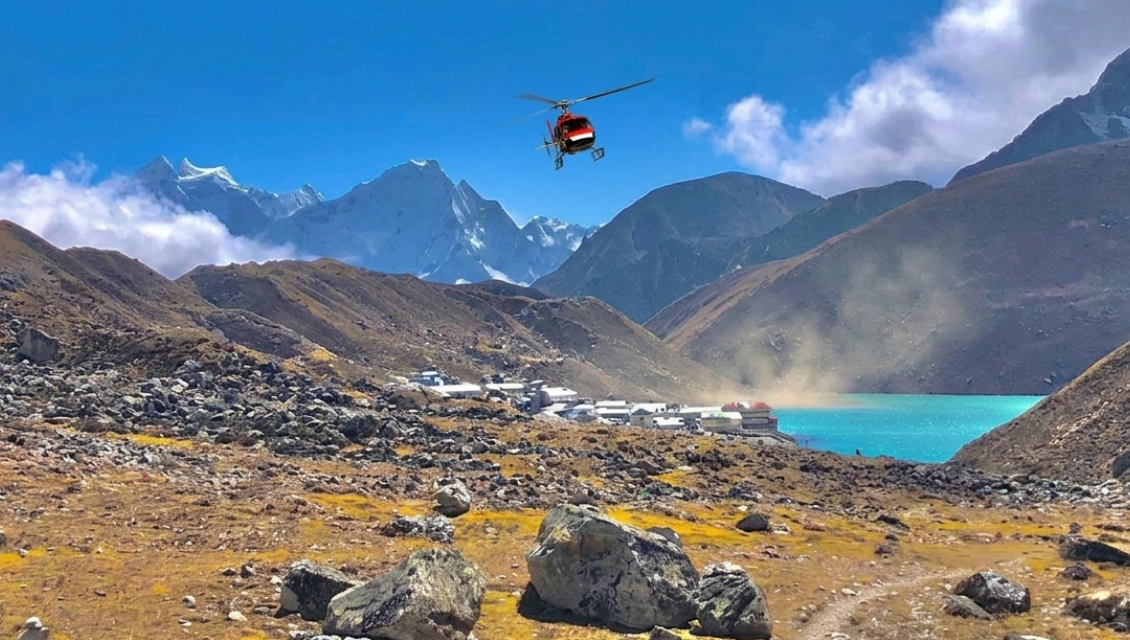
The Nar Phu – Manang Trek is a remote and culturally rich Himalayan journey that explores two of the most hidden and least-explored valleys in the Annapurna region. Combining the isolated Nar and Phu valleys with the scenic Manang region, this trek offers a rare blend of ancient Tibetan-influenced culture, dramatic mountain landscapes, and high-altitude adventure.
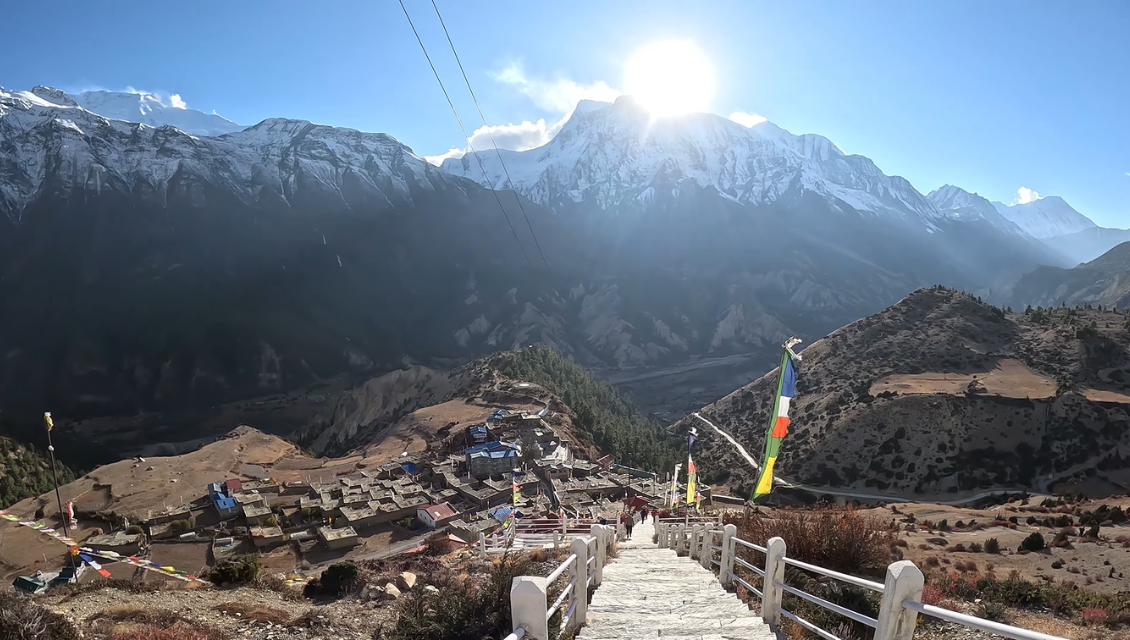
The route takes trekkers far off the main Annapurna Circuit into secluded Himalayan settlements where traditional lifestyles have remained largely unchanged for centuries. The journey features narrow canyons, ancient monasteries, medieval-style stone villages, and high mountain passes. Throughout the trek, travelers enjoy breathtaking views of Himalayan peaks including Annapurna II, Gangapurna, Tilicho Peak, and surrounding ranges.
This trek is ideal for experienced trekkers seeking a remote, less-crowded, and culturally authentic Himalayan experience combined with spectacular alpine scenery.
Geography and Landscape
The Nar Phu – Manang Trek is located in the northern part of the Annapurna region within Annapurna Conservation Area. The journey typically begins from the Marsyangdi Valley before branching off toward the restricted Nar and Phu valleys, followed by the Manang region.
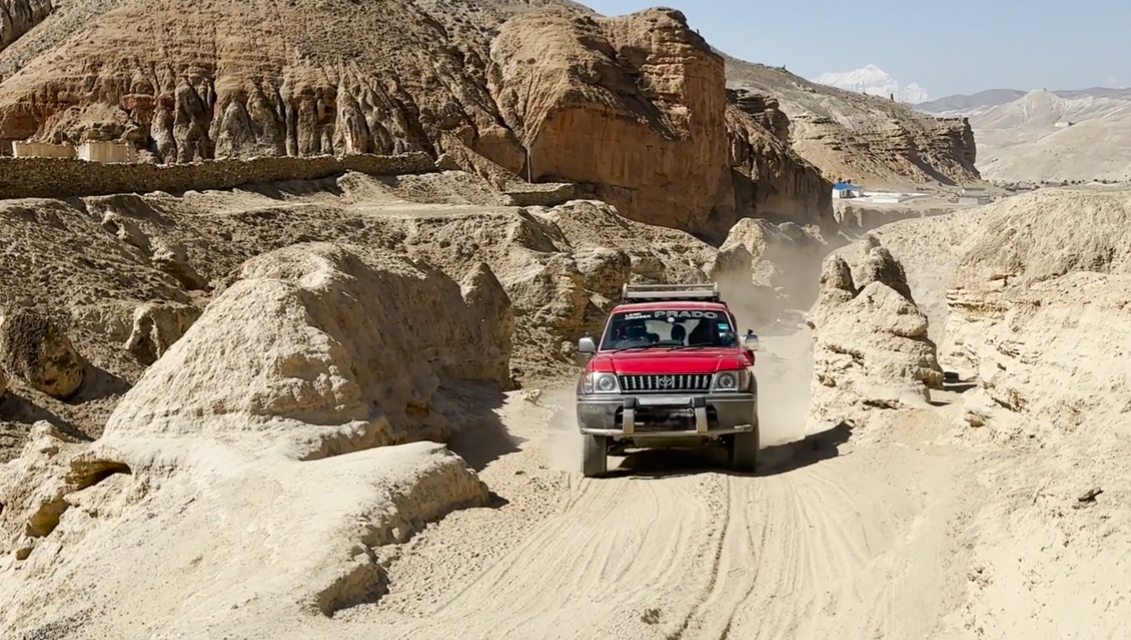
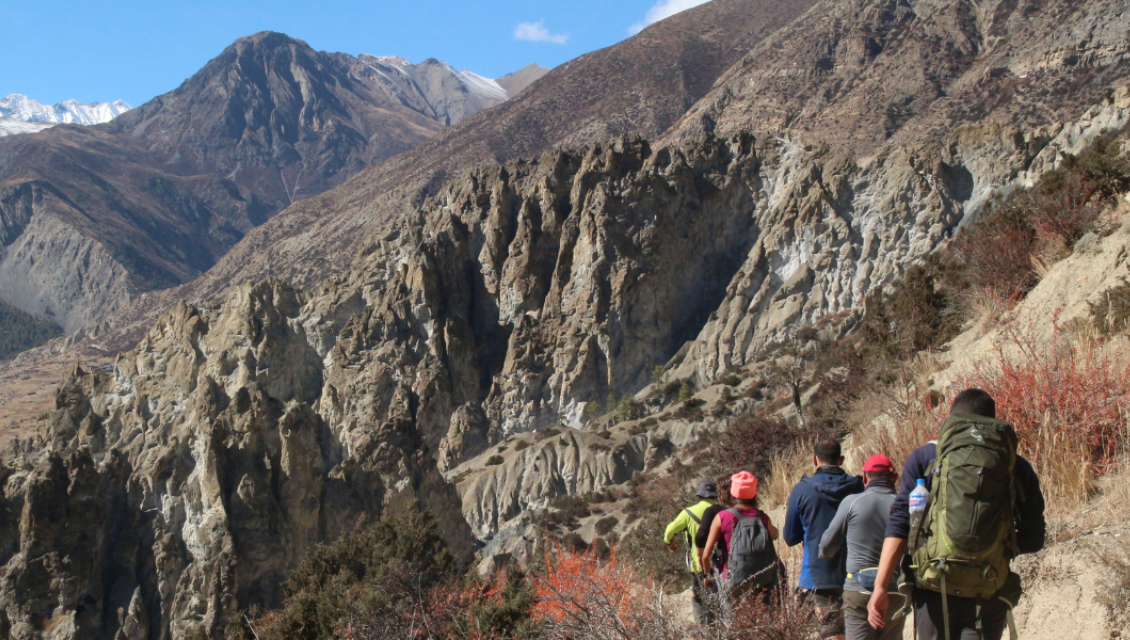
The landscape is extremely diverse and rugged, ranging from subtropical forests and river valleys to barren high-altitude deserts influenced by the Tibetan plateau. Deep gorges, wind-carved cliffs, and dramatic rock formations dominate the Nar and Phu valleys, giving the region a wild and untouched character.
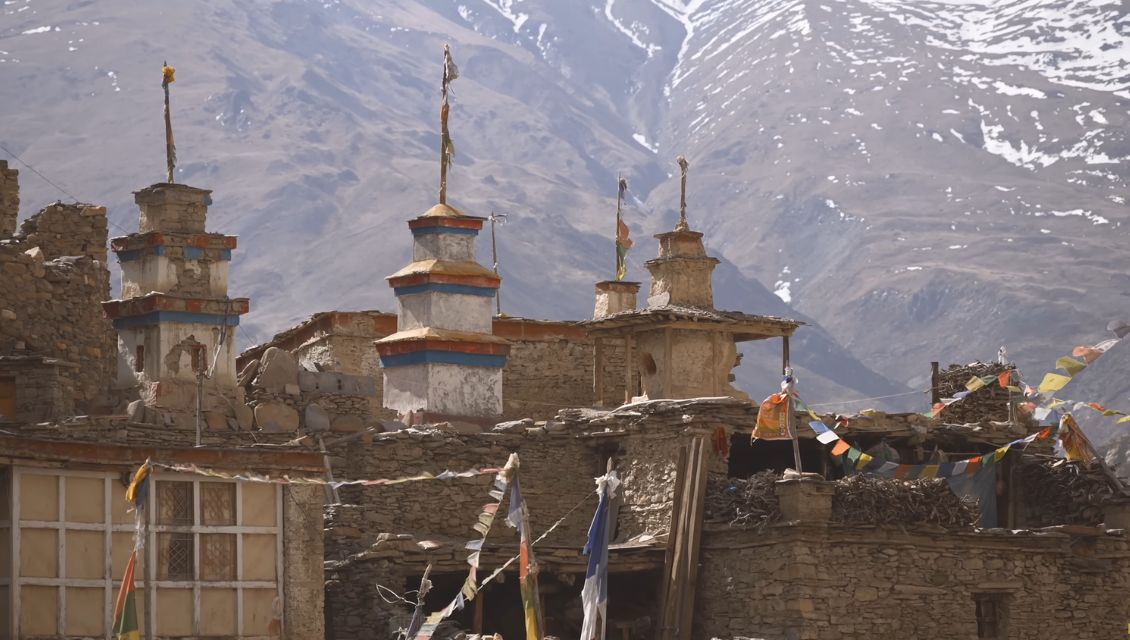
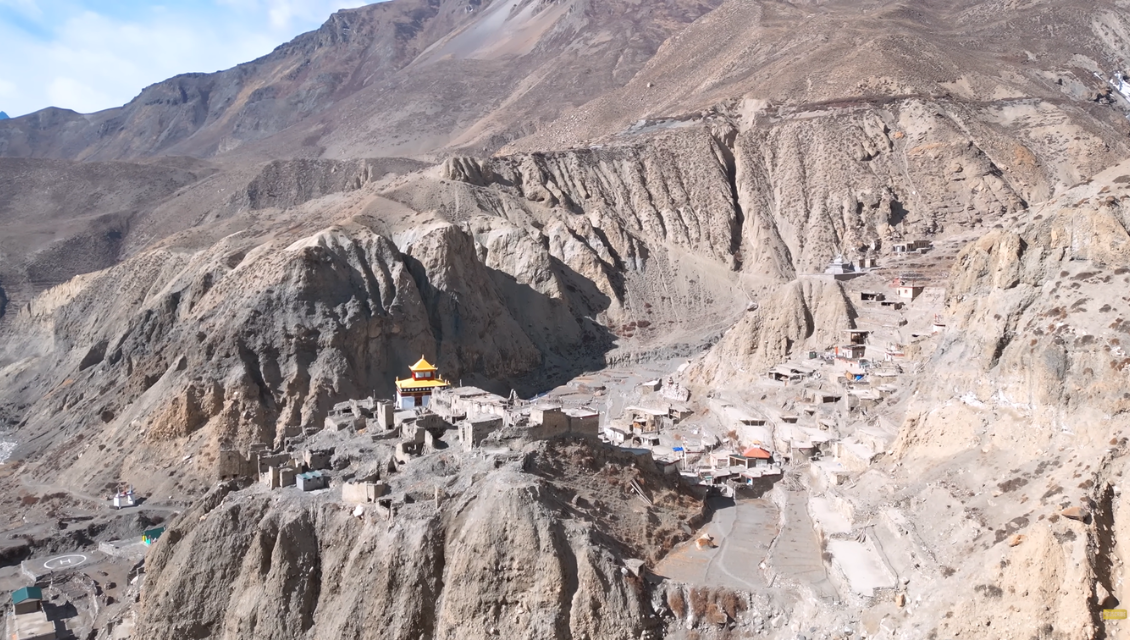
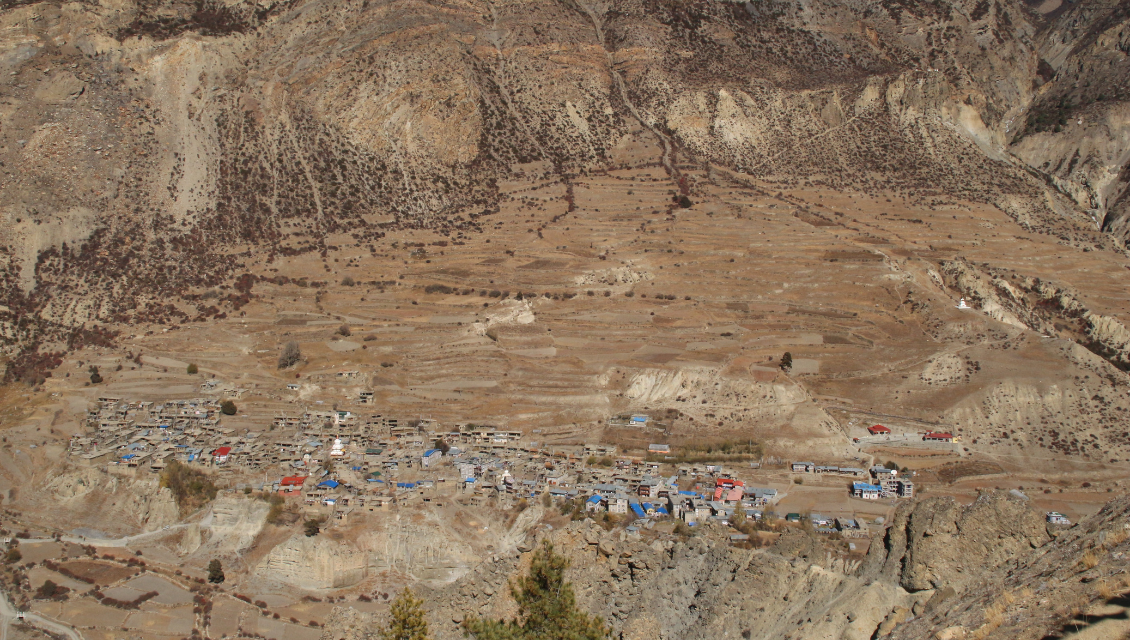
Phu Village, in particular, is known for its medieval stone architecture and ancient Tashi Lhakhang Monastery, while Nar Village sits at a high elevation surrounded by stark Himalayan terrain. The Manang region offers slightly more developed trails with wide valleys, yak pastures, glacial rivers, and panoramic mountain viewpoints.
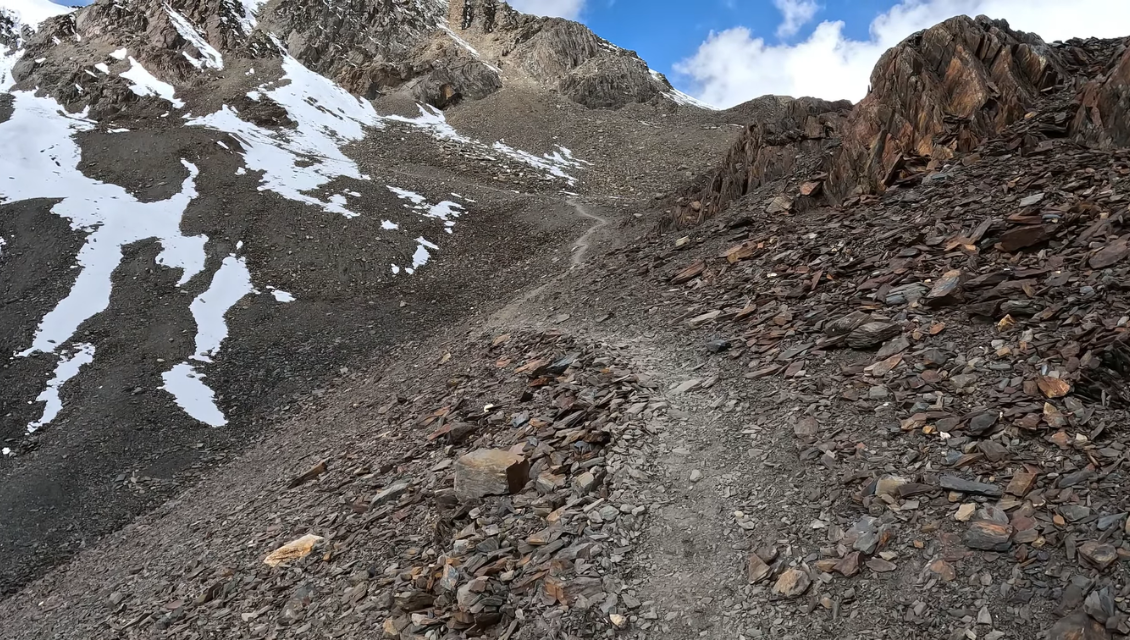
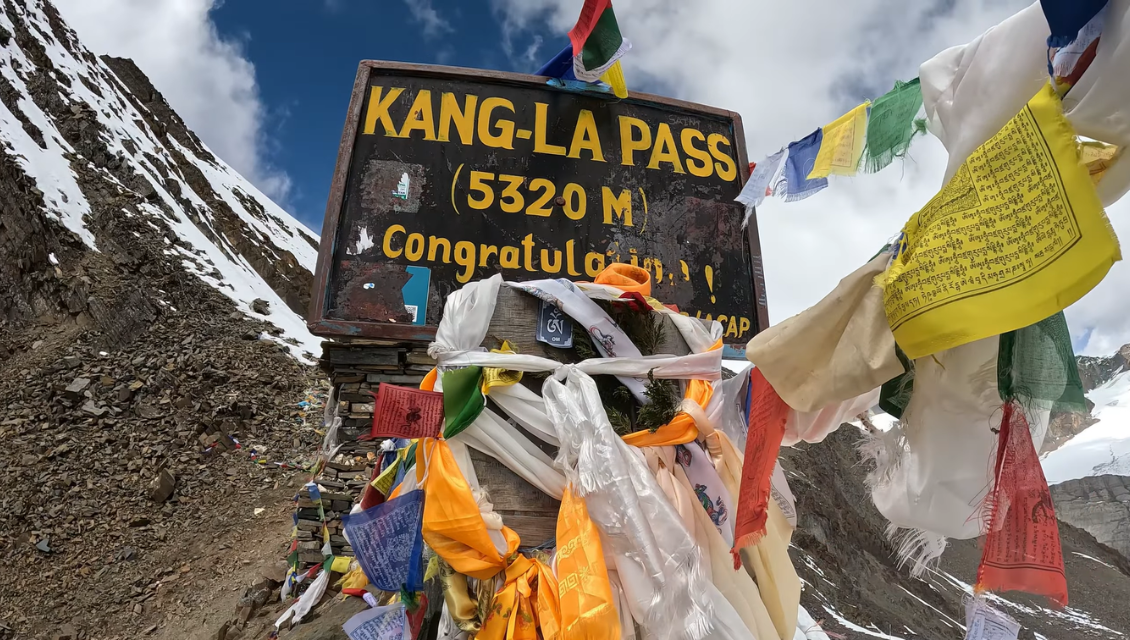
The trek also provides access to high passes such as Kang La Pass (5,320 m), which offers stunning panoramic views of the Annapurna range and surrounding peaks.
Climate and Best Time to Trek
The best seasons for the Nar Phu – Manang Trek are spring (March–May) and autumn (September–November). During these periods, weather conditions are stable, skies are clear, and mountain views are at their best.
Spring brings mild temperatures and blooming alpine vegetation in lower regions, while autumn provides crisp air and excellent visibility after the monsoon season. Winter (December–February) is extremely cold, especially in Nar and Phu valleys, where heavy snowfall can make access difficult. The monsoon season (June–August) is not recommended due to rain, landslides, and limited visibility.
Overall, autumn is considered the most suitable and safest time for this remote Himalayan trek.
People and Culture
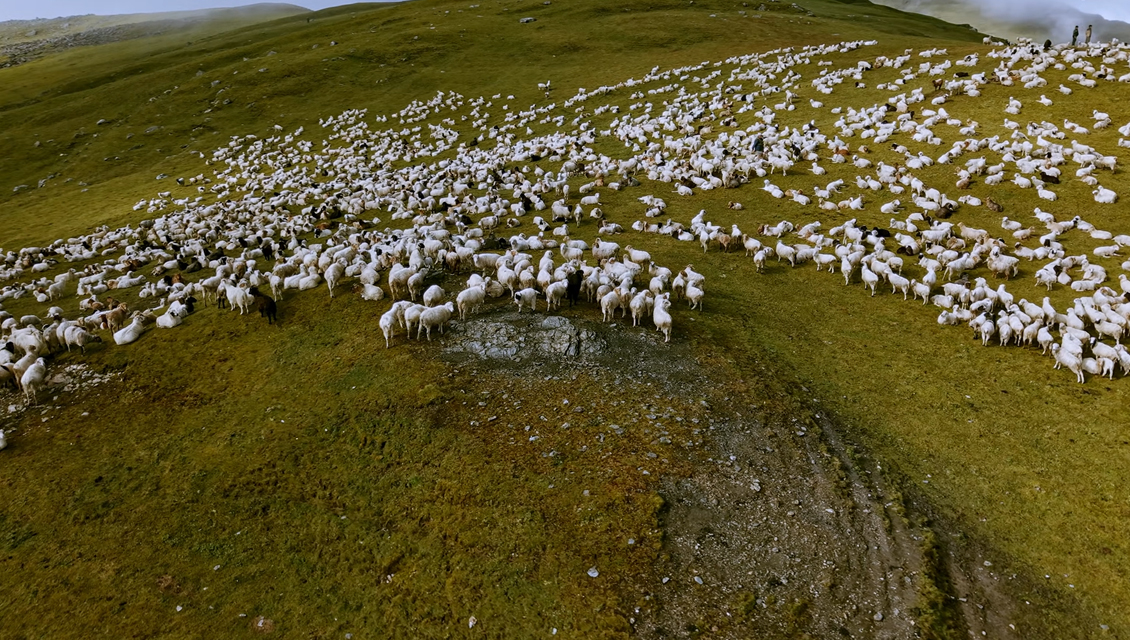
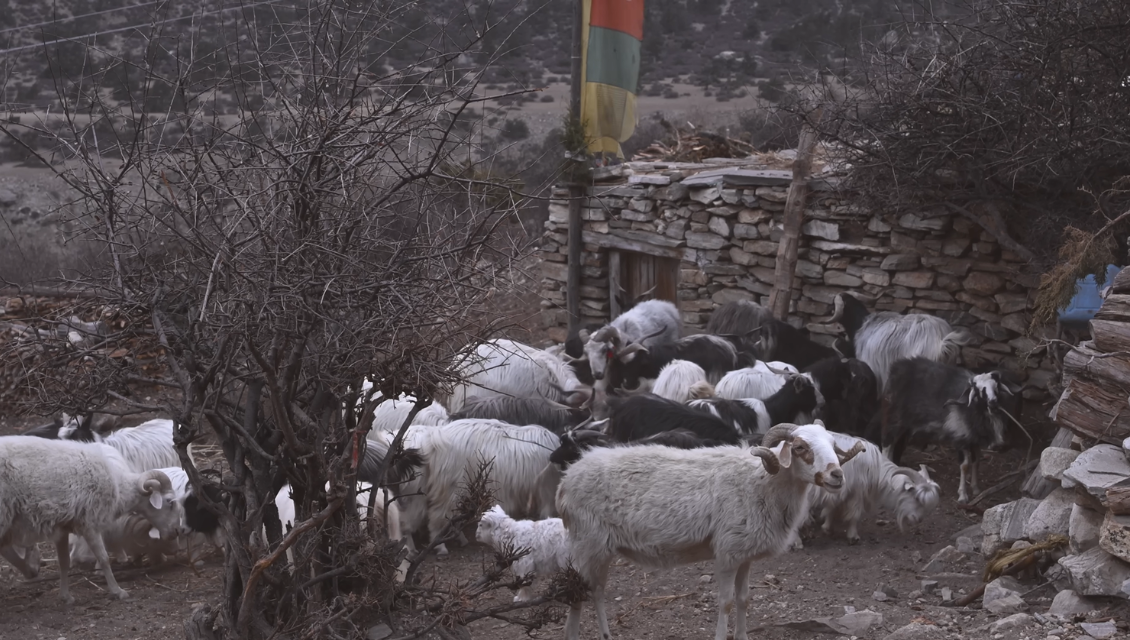
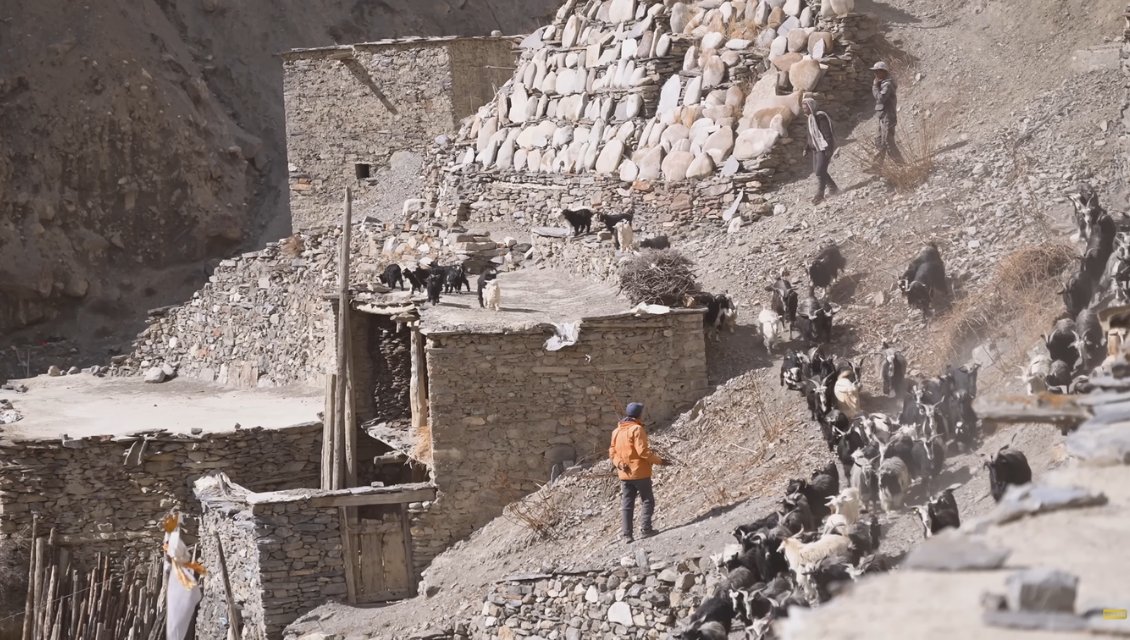
The Nar Phu and Manang regions are home to communities heavily influenced by Tibetan culture and Buddhism. The lifestyle is deeply traditional, with people engaged in yak herding, agriculture, and small-scale trade across the Himalayas.
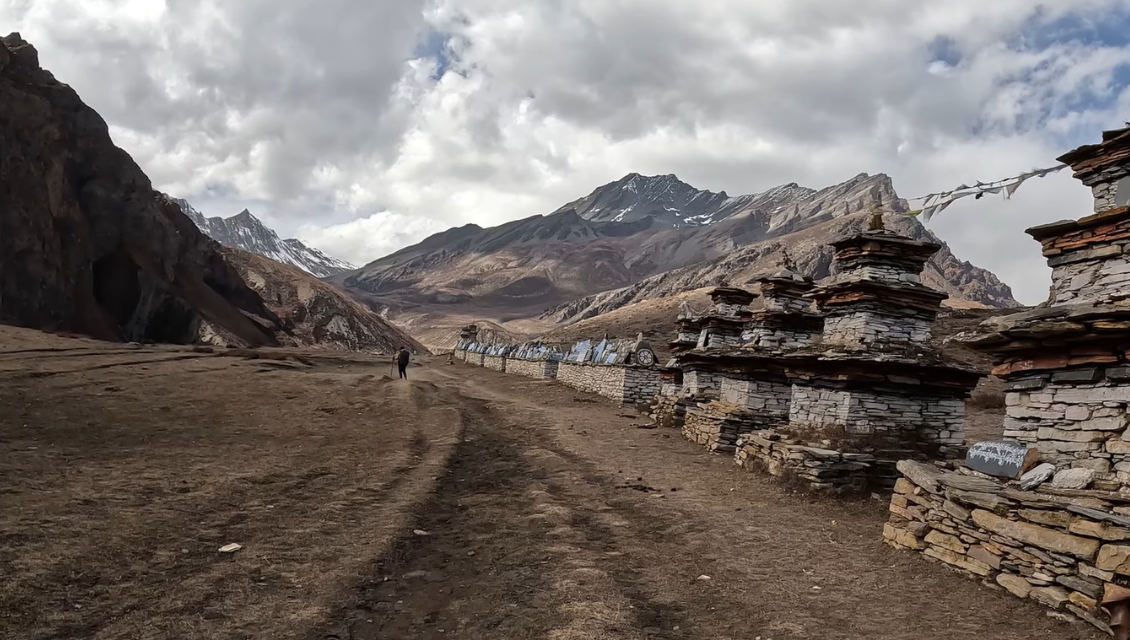
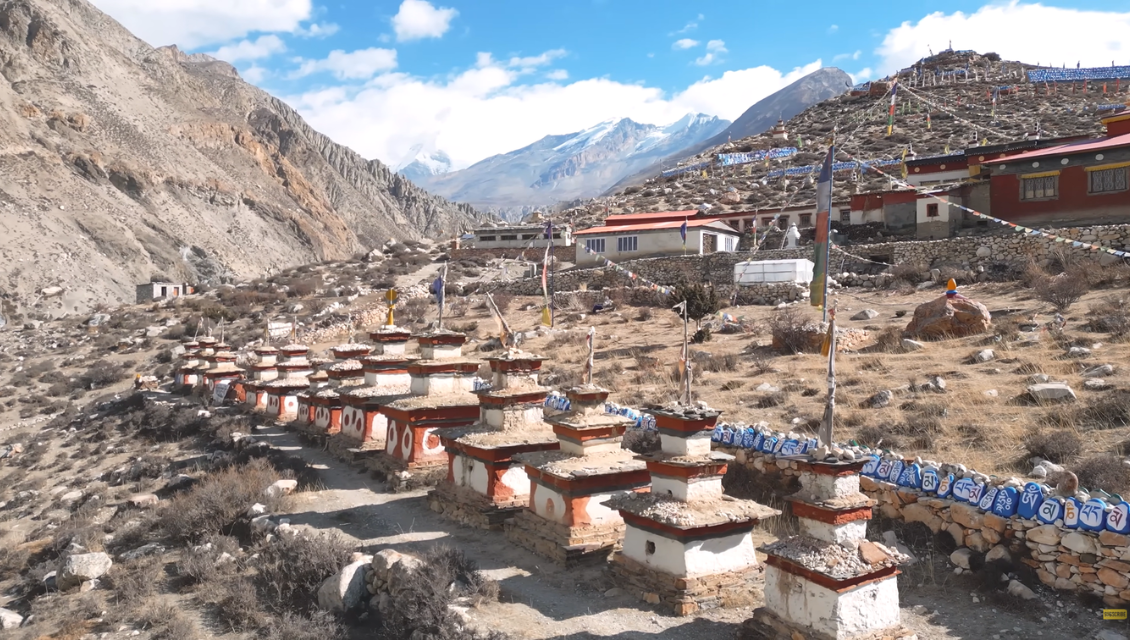
Villages such as Phu and Nar preserve ancient customs, with stone-built houses, prayer flags, mani walls, and centuries-old monasteries. The remote Tashi Lhakhang Monastery in Phu is a major spiritual site believed to have been blessed by Guru Rinpoche.
In the Manang region, cultural experiences include visits to Braga Monastery and interactions with local Manangi people, who have adapted to life in high-altitude desert conditions while maintaining strong cultural identity.
The combination of remote wilderness, ancient Tibetan-influenced culture, and dramatic Himalayan scenery makes the Nar Phu – Manang Trek one of the most unique and enriching trekking experiences in Nepal.
Package Highlights:
- Nar & Phu Valleys trek – remote Himalayan region Nar Phu Valley
- Off-the-beaten-path experience – very few trekkers, untouched trails
- Tibetan-influenced culture – ancient traditions still preserved
- Tashi Lhakhang Monastery – key spiritual site Tashi Lhakhang Monastery
- Kang La Pass (5,320m) – challenging high pass with epic views Kang La Pass
- Dramatic landscapes – gorges, cliffs, and alpine valleys
- Authentic village life – close interaction with locals and customs
- Annapurna Circuit connection – links at Manang or Pisang
- High-altitude adventure – physically demanding, rewarding trek
Book This Trip
Trip Information
 Start : Kathmandu
 Finish : Kathmandu
 Difficulty :
Moderate
Difficulty :
Moderate
 Max Altitude : 5320m
 Group Size : 17 People
 Season : SEP-NOV, MAR-MAY
Trip Gallery





Trip Itinerary
Altitude - 1400m
Arrive at Tribhuvan International Airport and transfer to your hotel in Kathmandu. The remainder of the day is free for rest, exploring the lively streets of Thamel, or preparing for your Himalayan adventure ahead.
Accomadation: Hotel
Place to visit: Nepal
Meals: Dinner
Altitude - 1400m
Today is dedicated to trek preparation and permit arrangements before beginning your journey into the remote Nar Phu Valley. Meet your trekking guide for a detailed briefing covering the itinerary, altitude awareness, safety procedures, and trekking essentials. You will also organize your trekking equipment, complete permit formalities, and have time to purchase any last-minute gear if needed.
Accomadation: Hotel
Place to visit: Nepal
Meals: Breakfast
Altitude - 1400m - 2600m
Travel Duration - 9-10 hours drive
A long but scenic jeep drive takes you from Kathmandu through the beautiful Marsyangdi River valley toward Koto. Along the route, enjoy views of terraced farmland, waterfalls, rivers, traditional villages, and snow-capped Himalayan peaks while gradually entering the Annapurna region.
Accomadation: Tea House
Place to visit: Annapurna Region
Meals: Breakfast Lunch Dinner
Altitude - 2600m - 3560m
Trek Duration - 6-7 hours
Begin trekking through dense forests, narrow canyons, and rugged mountain trails while following the remote Nar Phu Valley route. The trail gradually climbs through alpine landscapes and scenic ridges before reaching Meta, a peaceful settlement offering panoramic views of the Annapurna range and surrounding mountains.
Accomadation: Tea House
Place to visit: Annapurna Region
Meals: Breakfast Lunch Dinner
Altitude - 3560m - 4080m
Trek Duration - 6-7 hours
Today’s trail leads deeper into the isolated Phu Valley through dramatic rock formations, ancient chortens, and traditional Tibetan-influenced settlements. Upon arrival at Phu Village, experience its unique stone houses, Buddhist culture, prayer flags, and peaceful mountain atmosphere surrounded by towering Himalayan cliffs.
Accomadation: Tea House
Place to visit: Annapurna Region
Meals: Breakfast Lunch Dinner
Altitude - 4080m
Trek Duration - Optional Short Hikes
Spend the day acclimatizing to the altitude while exploring the spiritual and cultural beauty of Phu Village. Visit the historic Tashi Lhakhang Monastery, local gompas, mani walls, and traditional Tibetan-style homes while enjoying incredible views of the surrounding Himalayan landscape.
Accomadation: Tea House
Place to visit: Annapurna Region
Meals: Breakfast Lunch Dinner
Altitude - 4080m - 4110m
Trek Duration - 6-7 hours
The trail crosses rugged alpine terrain, suspension bridges, and scenic mountain ridges while continuing toward the traditional settlement of Nar Village. Known for its preserved Tibetan culture, stone architecture, and remote location, Nar offers a fascinating cultural experience in the high Himalayas.
Accomadation: Tea House
Place to visit: Annapurna Region
Meals: Breakfast Lunch Dinner
Altitude - 4110m
Trek Duration - Optional Exploration
Today is reserved for acclimatization and cultural exploration around Nar Village. Wander through narrow village paths, interact with local residents, and visit ancient monasteries while enjoying the peaceful atmosphere and breathtaking mountain scenery.
Accomadation: Tea House
Place to visit: Annapurna Region
Meals: Breakfast Lunch Dinner
Altitude - 4110m - 5320m - 3660m
Trek Duration - 8-9 hours
This is the most challenging and rewarding day of the trek as you cross the spectacular Kang La Pass. The high mountain pass offers breathtaking panoramic views of Annapurna II, Gangapurna, Tilicho Peak, and surrounding Himalayan giants. After reaching the summit, descend through dramatic alpine landscapes toward the traditional village of Ngawal.
Accomadation: Tea House
Place to visit: Annapurna Region
Meals: Breakfast Lunch Dinner
Altitude - 3660m - 3200m - 3540m
Trek Duration - 4-5 hours
Descend further along the Annapurna Circuit trail through scenic valleys, forests, and traditional Himalayan settlements. Depending on the route and pace, you will stay overnight in either Pisang or Manang while enjoying magnificent views of Annapurna, Gangapurna, and surrounding peaks.
Accomadation: Tea House
Place to visit: Annapurna Region
Meals: Breakfast Lunch Dinner
Altitude - 3540m - 1960m
Travel / Trek Duration - 6-8 hours
Today you may continue trekking through lower Himalayan villages and forests or take a vehicle further down the Annapurna Circuit toward warmer regions. Along the route, enjoy changing landscapes, waterfalls, rivers, and terraced hillsides.
Accomadation: Tea House
Place to visit: Annapurna Region
Meals: Breakfast Lunch Dinner
Altitude - 1960m - 1400m
Travel Duration - 8-9 hours drive
Return to Kathmandu by jeep or private vehicle through scenic mountain highways, river valleys, and rural villages. Upon arrival in Kathmandu, transfer to your hotel and enjoy a relaxing evening after completing your remote Himalayan adventure.
Accomadation: Hotel
Place to visit: Nepal
Meals: Breakfast Lunch Dinner
Altitude - 1400m
Depending on your flight schedule, enjoy free time for sightseeing, shopping, or exploring Kathmandu’s UNESCO World Heritage Sites before being transferred to Tribhuvan International Airport for your onward journey.
Place to visit: Nepal
Meals: Breakfast
Cost Includes
1. Transportation
- Private/tourist vehicles for airport pickup and drop-off in Kathmandu.
- Private/tourist vehicle transfers as per the itinerary to access the trailheads.
2. Accommodation & Meals
- 3 Nights 3-star hotel in Kathmandu with bed & breakfast basis.
- Breakfast, lunch & dinner with tea & coffee during the trekking Period.
3. Permits
- Nar –Phu restricted area permit (issued by Department of Immigration).
- Annapurna Conservation Area Project (ACAP) Permit.
- Trekkers’ Information Management System (TIMS) Permit.
4. Guide & Staff
- Professional and experienced licensed trekking guide, including salary and insurance.
- Porter salary, equipment, and insurance.
- First-aid medical kit for emergency support.
1. Transportation
- Private/tourist vehicles for airport pickup and drop-off in Kathmandu.
- Private/tourist vehicle transfers as per the itinerary to access the trailheads.
2. Accommodation & Meals
- 3 Nights 3-star hotel in Kathmandu with bed & breakfast basis.
- Breakfast, lunch & dinner with tea & coffee during the trekking Period.
3. Permits
- Nar –Phu restricted area permit (issued by Department of Immigration).
- Annapurna Conservation Area Project (ACAP) Permit.
- Trekkers’ Information Management System (TIMS) Permit.
4. Guide & Staff
- Professional and experienced licensed trekking guide, including salary and insurance.
- Porter salary, equipment, and insurance.
- First-aid medical kit for emergency support.
Cost Excludes
1. International Flights
- Airfare from your home country to Nepal (Tribhuvan International Airport, Kathmandu).
- Return airfare from Nepal (Tribhuvan International Airport, Kathmandu) to your home country.
2. Visa Fees
- Nepal entry visa fee for entering Nepal (available on arrival at Tribhuvan International Airport, Kathmandu, or through a Nepalese embassy).
3. Travel Insurance (Mandatory)
- Comprehensive travel insurance covering high-altitude trekking, emergency medical treatment, helicopter evacuation, trip cancellation, and other unforeseen circumstances.
4. Personal Expenses
- Tips, gifts, and souvenirs for trekking guides and porters.
- Personal trekking equipment and gear.
- Charges for lodge Wi-Fi, hot showers, battery charging, and laundry services.
5. Meals & Beverages
- Lunch and dinner in Kathmandu, Pokhara, and other locations where accommodation is provided in 3-star category hotels.
- Soft drinks, bottled water, alcoholic beverages, and snacks consumed during meals
1. International Flights
- Airfare from your home country to Nepal (Tribhuvan International Airport, Kathmandu).
- Return airfare from Nepal (Tribhuvan International Airport, Kathmandu) to your home country.
2. Visa Fees
- Nepal entry visa fee for entering Nepal (available on arrival at Tribhuvan International Airport, Kathmandu, or through a Nepalese embassy).
3. Travel Insurance (Mandatory)
- Comprehensive travel insurance covering high-altitude trekking, emergency medical treatment, helicopter evacuation, trip cancellation, and other unforeseen circumstances.
4. Personal Expenses
- Tips, gifts, and souvenirs for trekking guides and porters.
- Personal trekking equipment and gear.
- Charges for lodge Wi-Fi, hot showers, battery charging, and laundry services.
5. Meals & Beverages
- Lunch and dinner in Kathmandu, Pokhara, and other locations where accommodation is provided in 3-star category hotels.
- Soft drinks, bottled water, alcoholic beverages, and snacks consumed during meals
Trip Date And Time
Select Your Preferred Departure - We'll Handle the Rest.
|
Start |
End |
Trip Cost |
Action |
Enquire |
|---|---|---|---|---|
| 08 Nov, 2026 | 20 Nov, 2026 | 1890 | Book Now | |
| 01 Nov, 2026 | 13 Nov, 2026 | 1890 | Book Now | |
| 25 Oct, 2026 | 06 Nov, 2026 | 1890 | Book Now | |
| 18 Oct, 2026 | 30 Oct, 2026 | 1890 | Book Now | |
| 11 Oct, 2026 | 23 Oct, 2026 | 1890 | Book Now | |
| 04 Oct, 2026 | 16 Oct, 2026 | 1890 | Book Now | |
| 27 Sep, 2026 | 09 Oct, 2026 | 1890 | Book Now | |
| 20 Sep, 2026 | 02 Oct, 2026 | 1890 | Book Now |
Essential Information
Accommodation
Accommodation is provided in basic teahouses and community lodges throughout Manang Valley and in limited homestays or primitive lodges in Nar and Phu villages.
In Manang, facilities are relatively more developed with comfortable lodges and better services. In contrast, Nar and Phu valleys offer very basic accommodation due to extreme remoteness and limited infrastructure.
Rooms are typically twin-sharing with simple bedding and shared bathroom facilities.
Meals
A full-board meal system (Breakfast, Lunch, and Dinner) is provided during the trek. Meals are freshly prepared and reflect a mix of Nepali and Tibetan-influenced cuisine.
Typical menu options include:
- Traditional Dal Bhat set meals
- Noodles, pasta, and fried rice
- Soups, potatoes, and seasonal vegetables
- Tibetan bread, pancakes, and eggs
- Butter tea, coffee, and hot drinks
Food variety becomes more limited in Nar and Phu valleys due to isolation.
Difficulty & Physical Requirements
The Nar Phu – Manang Trek is classified as moderate to strenuous, suitable for trekkers with good fitness and prior trekking experience.
Daily trekking ranges from 5 to 8 hours, with high-altitude passes and rugged terrain. The most challenging section is the crossing of Kang La Pass (5,320m), which requires endurance and careful acclimatization.
Permits
Required permits include:
- Annapurna Conservation Area Permit (ACAP)
- Restricted Area Permit (Nar & Phu Valley Permit)
- TIMS Card (Trekkers’ Information Management System)
A licensed guide is mandatory for trekking in restricted areas.
Best Season
- Spring (March–May): Clear skies, stable weather, and blooming alpine landscapes
- Autumn (September–November): Best visibility and ideal trekking conditions
- Winter (December–February): Extremely cold with heavy snow in upper valleys
- Monsoon (June–August): Not recommended due to landslides and poor visibility
Transportation & Access
The trek typically begins with a drive from Kathmandu to Besisahar, followed by a jeep journey toward Koto, the entry point to the Nar Phu Valley.
From Koto, the trail branches into the restricted Nar and Phu valleys before reconnecting with the Manang section of the Annapurna Circuit.
Safety & Acclimatization
This trek reaches elevations above 5,300 meters and requires proper acclimatization and altitude awareness.
Key acclimatization stops include Manang and intermediate villages before ascending toward Kang La Pass.
Experienced guides monitor weather conditions, trail safety, and trekkers’ health throughout the journey. Emergency evacuation is available if required.
Travel Insurance
Comprehensive travel insurance is mandatory and must include:
- High-altitude trekking coverage (up to at least 6,000m)
- Emergency helicopter evacuation and rescue
- Medical treatment and hospitalization
- Trip interruption and accident coverage
Additional Information
Guide & Porter Services
A licensed trekking guide is mandatory for the Nar Phu Valley. Guides provide navigation, permit management, and cultural interpretation.
Porters are available to assist with luggage, especially due to the rugged terrain and high altitude conditions.
Cultural & Natural Highlights
This trek is known for its untouched Tibetan-influenced culture and dramatic Himalayan scenery:
- Ancient villages of Nar and Phu with traditional stone houses
- Monasteries, prayer flags, and Buddhist heritage sites
- Crossing of Kang La Pass (5,320m)
- Views of Annapurna II, Himlung Himal, and surrounding peaks
- Deep river gorges, glaciers, and alpine deserts
- Less crowded and highly remote trekking environment
Essential Equipment
Recommended trekking gear includes:
- High-quality trekking boots (well broken-in)
- Layered clothing for extreme temperature variations
- Warm down jacket (-20°C to -30°C rating)
- Waterproof jacket and trousers
- Gloves, hat, buff, and UV sunglasses
- Trekking poles and daypack (30–40L)
- Sleeping bag suitable for cold alpine conditions
- Personal first aid kit and essential medications
Communication & Connectivity
Mobile network coverage is very limited in Nar and Phu valleys. Connectivity is generally available only in lower Manang areas.
Wi-Fi is rare and unreliable in remote sections, and trekkers should expect long periods of offline travel.
Why Choose the Nar Phu – Manang Trek?
This trek is ideal for travelers seeking a remote, cultural, and less commercialized Himalayan experience:
- Explore the hidden restricted valleys of Nar and Phu
- Cross the high Kang La Pass (5,320m)
- Experience authentic Tibetan-influenced culture
- Combine remote wilderness with Manang Valley
- Far fewer trekkers compared to Annapurna Circuit
- Dramatic landscapes of gorges, glaciers, and alpine deserts
- Strong cultural preservation and ancient heritage sites
- One of Nepal’s most unique and untouched trekking routes
USD 1890 / person
See group booking discount- No. of person Price per person
- 1 USD 1890.00
- 2-3 USD 1465.00
- 4-7 USD 1225.00
- 8-12 USD 1175.00
- 13-17 USD 1090.00
The price may varies
Speak to an Expert