Festival Treks in Nepal – Cultural Immersion in the Heart of the Himalayas
Nepal is globally recognized not only for its majestic Himalayan landscapes but also for its deeply rooted cultural and spiritual traditions. The country’s diverse ethnic communities, including Sherpa, Tamang, Gurung, Magar, Thakali, and Tibetan-influenced groups, celebrate a wide range of festivals throughout the year. Festival treks in Nepal offer a unique and enriching opportunity to combine high-altitude trekking with authentic cultural celebrations in remote mountain villages.
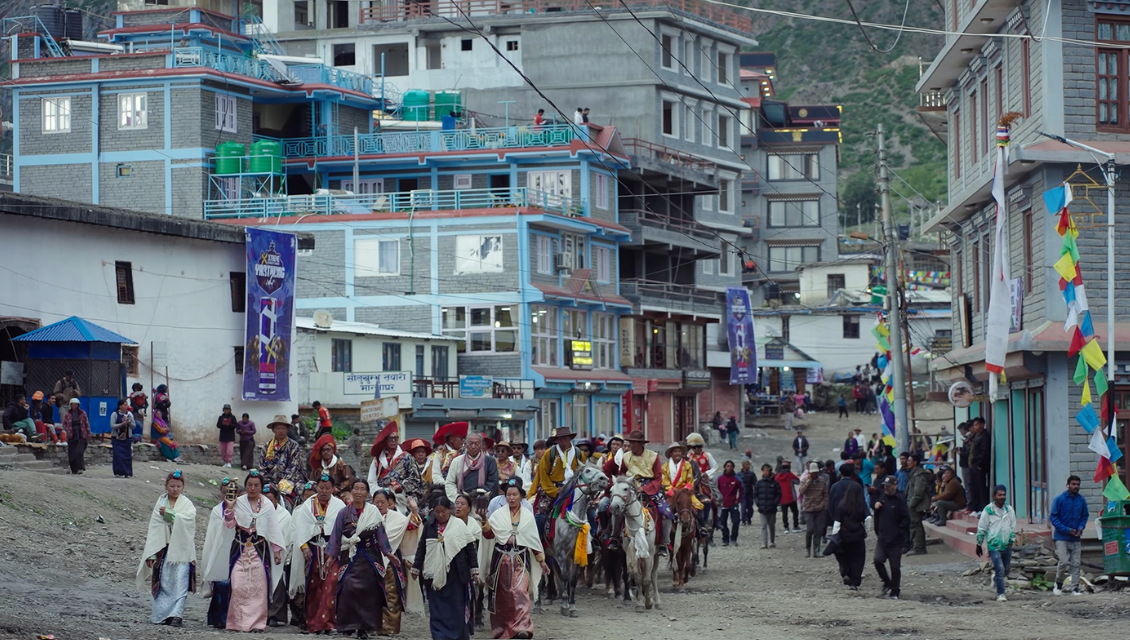
These specially designed trekking experiences allow travelers to witness centuries-old rituals, monastery ceremonies, masked dances, traditional music, and vibrant community gatherings while exploring some of the most spectacular trekking routes in the Himalayas. Unlike conventional trekking, festival treks provide a rare cultural dimension that transforms the journey into a living heritage experience.
From the Everest region’s Buddhist festivals to the ancient Tiji Festival in Upper Mustang and the Tamang Lhosar celebrations in Langtang, festival treks in Nepal represent one of the most immersive forms of cultural tourism in the Himalayan region.
Why Choose Festival Treks in Nepal?
Festival treks offer a deeper and more meaningful travel experience compared to standard trekking itineraries. One of the most important advantages is authentic cultural immersion. Many Himalayan festivals are celebrated in remote villages and monasteries where traditions have remained unchanged for centuries. Travelers have the opportunity to observe religious rituals, local ceremonies, and community gatherings in their original cultural context.
Another key benefit is seasonal uniqueness. Festivals in Nepal are based on lunar calendars and traditional cycles, meaning each celebration occurs at specific times of the year. This ensures that every festival trek is a rare and time-sensitive experience that cannot be replicated outside its scheduled period.
Festival treks also combine scenic trekking routes with cultural discovery. As travelers move through valleys, forests, rivers, and high mountain landscapes, they arrive at villages during major cultural events, creating a seamless blend of nature and tradition.
In addition, these treks contribute directly to sustainable tourism and local economic development, supporting remote communities while preserving cultural heritage.
Everest Region Festival Treks
The Everest region is one of the most culturally significant trekking areas in Nepal, home to the legendary Sherpa community and prominent Buddhist monasteries.
One of the most important cultural events in this region is the Mani Rimdu Festival, celebrated at Tengboche Monastery. This sacred festival features elaborate masked dances performed by monks, spiritual rituals, chanting ceremonies, and community celebrations that symbolize the victory of good over evil.
During this trek, travelers also experience traditional Sherpa hospitality and breathtaking views of the world’s highest mountains, including Mount Everest (8848.86 m), Ama Dablam, and Lhotse.
Other cultural celebrations in the region include Dumje festivals and Tibetan-influenced New Year celebrations, which further highlight the spiritual richness of the Khumbu region.
Langtang Region Festival Treks
The Langtang region, located close to Kathmandu, is home to Tamang and Tibetan-influenced Buddhist communities, making it one of the most accessible regions for festival trekking.
The most significant cultural celebration in this region is Tamang Lhosar, the traditional New Year of the Tamang community. During this festival, villages are filled with traditional music, cultural dances, colorful attire, and communal feasts.
Monasteries in Kyanjin Gompa and surrounding villages host religious ceremonies, prayer rituals, and gatherings that reflect deep spiritual devotion.
Langtang festival treks also offer stunning Himalayan scenery, including glaciers, alpine valleys, and panoramic mountain views, making it an ideal combination of culture and nature.
Upper Mustang Festival Treks
Upper Mustang is one of the most culturally preserved regions in Nepal, heavily influenced by Tibetan Buddhism and ancient Himalayan traditions.
The most famous festival in this region is the Tiji Festival, celebrated in the ancient walled city of Lo Manthang. This three-day festival is one of the most spectacular cultural events in the Himalayas, featuring ritual masked dances, symbolic storytelling, and spiritual ceremonies performed by monks.
The Tiji Festival represents the victory of good over evil and is deeply rooted in Buddhist mythology. The unique desert-like landscape of Upper Mustang, combined with its centuries-old monasteries and cave dwellings, creates an extraordinary cultural trekking experience.
Manaslu Region Festival Treks
The Manaslu region is a remote and culturally rich trekking destination where Tibetan-influenced traditions are still strongly preserved.
Local villages celebrate various Buddhist festivals and Lhosar events, where communities gather for prayers, traditional performances, and cultural celebrations.
Trekking through this region also offers magnificent views of Manaslu (8163 m), along with other Himalayan peaks, while passing through isolated settlements that maintain ancient lifestyles.
The combination of remoteness, cultural authenticity, and natural beauty makes Manaslu one of the most rewarding festival trekking destinations.
Annapurna Region Cultural Treks
The Annapurna region is one of Nepal’s most diverse trekking areas, home to multiple ethnic communities such as Gurung, Magar, and Thakali.
Festival celebrations here include Dashain, Tihar, Maghe Sankranti, and local village ceremonies, which are often integrated into trekking itineraries in villages like Ghandruk, Ghorepani, and Marpha.
These cultural events provide insight into traditional Himalayan lifestyles, agricultural rituals, and community-based celebrations.
The Annapurna region combines cultural richness with well-developed trekking infrastructure, making it one of the most popular festival trekking destinations.
Best Time for Festival Treks in Nepal
Festival treks are closely linked with Nepal’s cultural calendar, but they generally align with the main trekking seasons.
Spring (March–May):
This season features Buddhist festivals and Lhosar celebrations, along with favorable weather conditions and blooming landscapes.
Autumn (September–November):
The most important festival period in Nepal, including Dashain and Tihar, combined with stable trekking conditions and clear mountain views.
Since festival dates follow lunar calendars, precise timing is essential when planning these treks.
Difficulty Level
Festival treks in Nepal are generally moderate in difficulty and suitable for a wide range of travelers.
- No technical climbing experience required
- Daily trekking duration ranges from 4 to 7 hours
- Suitable for beginners, families, and cultural travelers
- High-altitude acclimatization may be required depending on the region
The focus of these treks is cultural exploration rather than physical challenge.
Who Should Choose Festival Treks?
Festival treks are ideal for:
- Cultural and heritage-focused travelers
- Photographers and documentary filmmakers
- First-time trekkers in Nepal
- Repeat visitors seeking unique seasonal experiences
- Travelers interested in Buddhist and Hindu traditions
These treks provide an exceptional opportunity to experience Himalayan culture in its most authentic and vibrant form.