Budget
USD 2150
Per Person
Rating
4 Reviews
Duration
11 Days
Trip Overview
The Milke–Tinjure–Jaljale Trek is a beautiful and culturally rich trekking route in eastern Nepal, famous for its vibrant rhododendron forests, panoramic Himalayan views, and deep indigenous heritage. Often called the “Rhododendron Belt of Nepal,” this trek is especially popular among nature lovers, photographers, and travelers seeking peaceful trails away from crowded commercial routes.
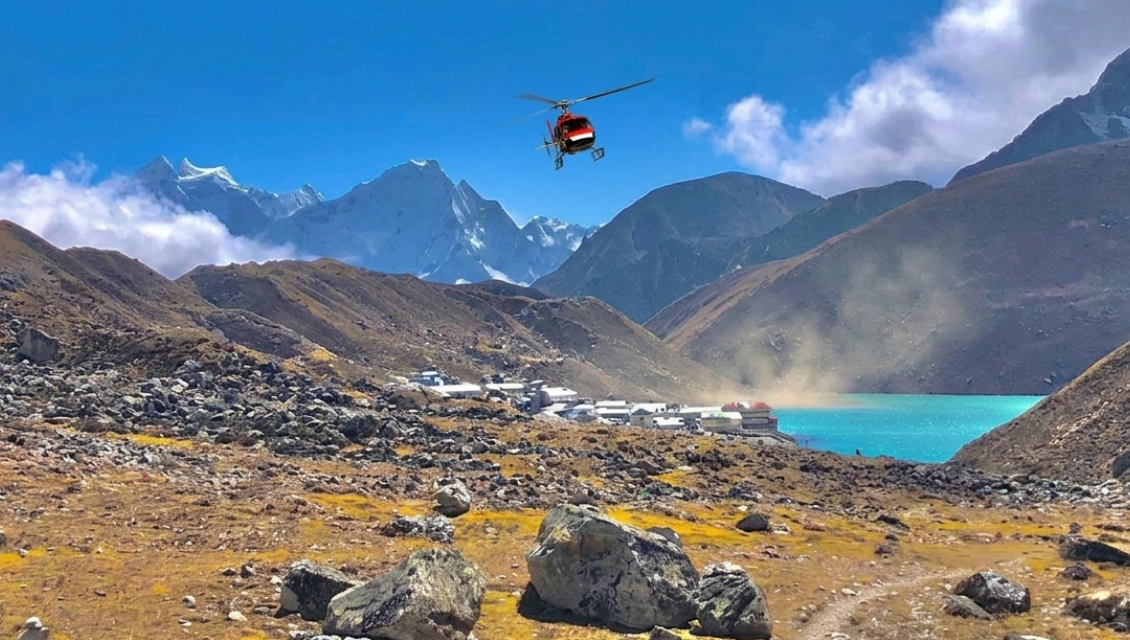
The trek offers stunning views of eastern Himalayan giants, including Kanchenjunga, Makalu, and distant views toward Everest on clear days. It is an ideal mid-hill adventure combining biodiversity, culture, and gentle trekking terrain.
Unlike high-altitude expeditions, this trek remains moderate in difficulty, making it suitable for beginners and experienced trekkers who want a relaxed yet scenic Himalayan experience.
Geography and Landscape
The Milke–Tinjure–Jaljale Trek is located in eastern Nepal, spanning the districts of Tehrathum, Sankhuwasabha, and Taplejung. The region lies within the mid-hill zone between major Himalayan ranges, offering continuous ridge-top trekking with expansive views.
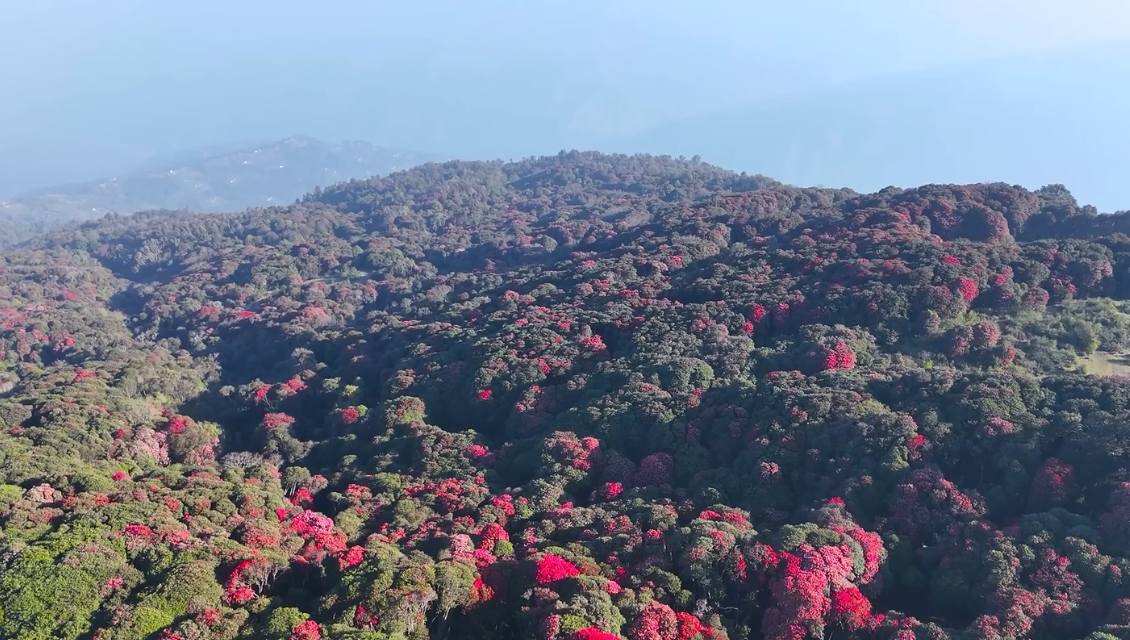
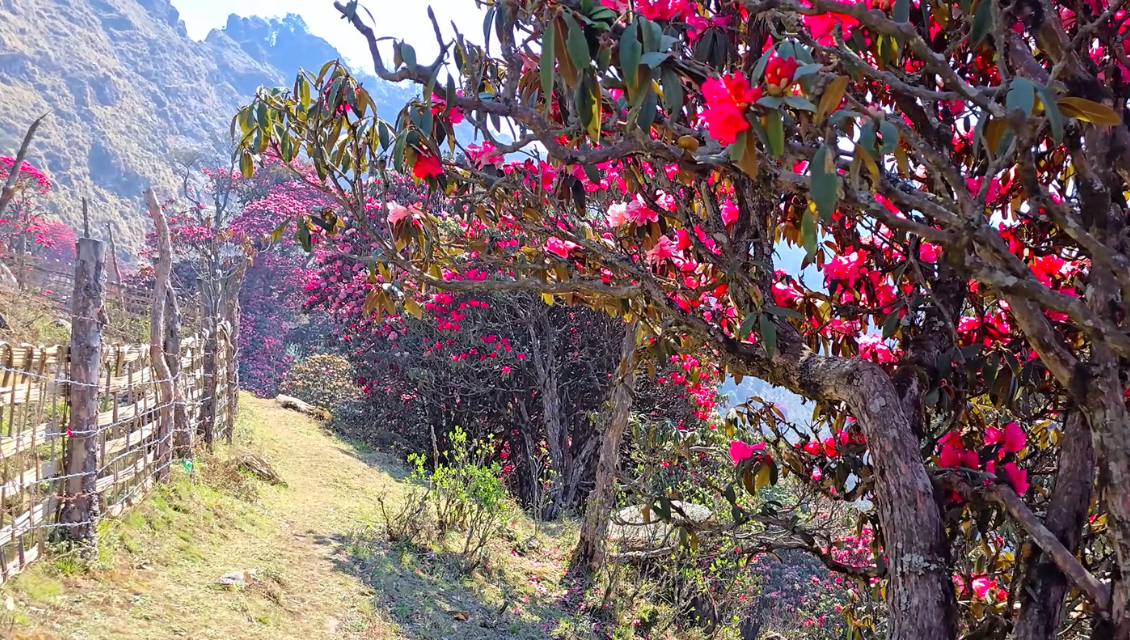
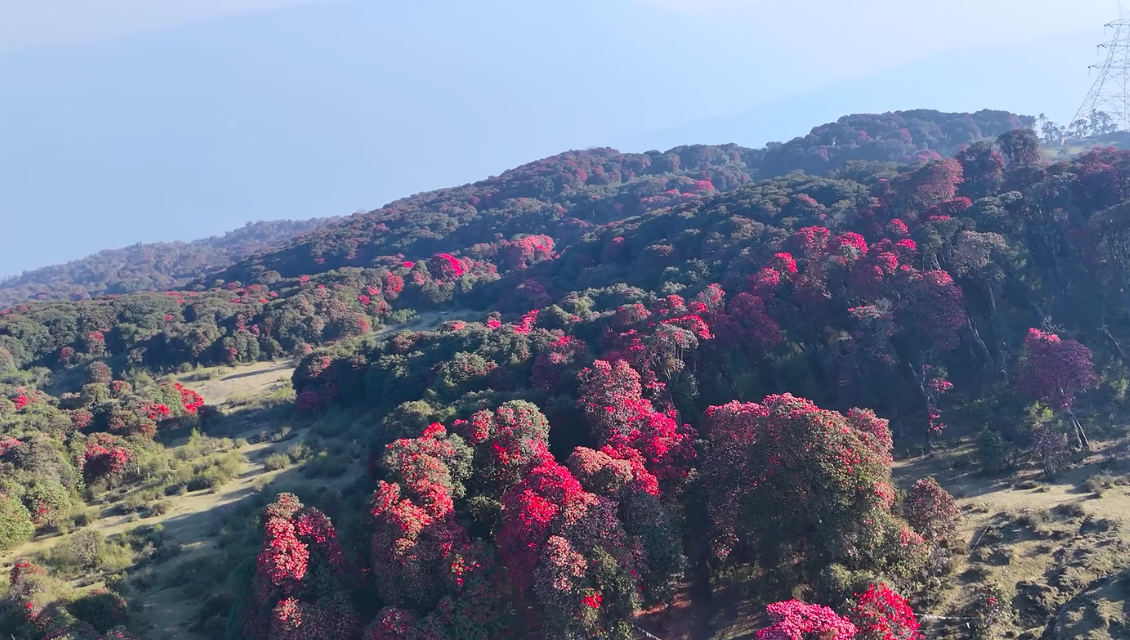
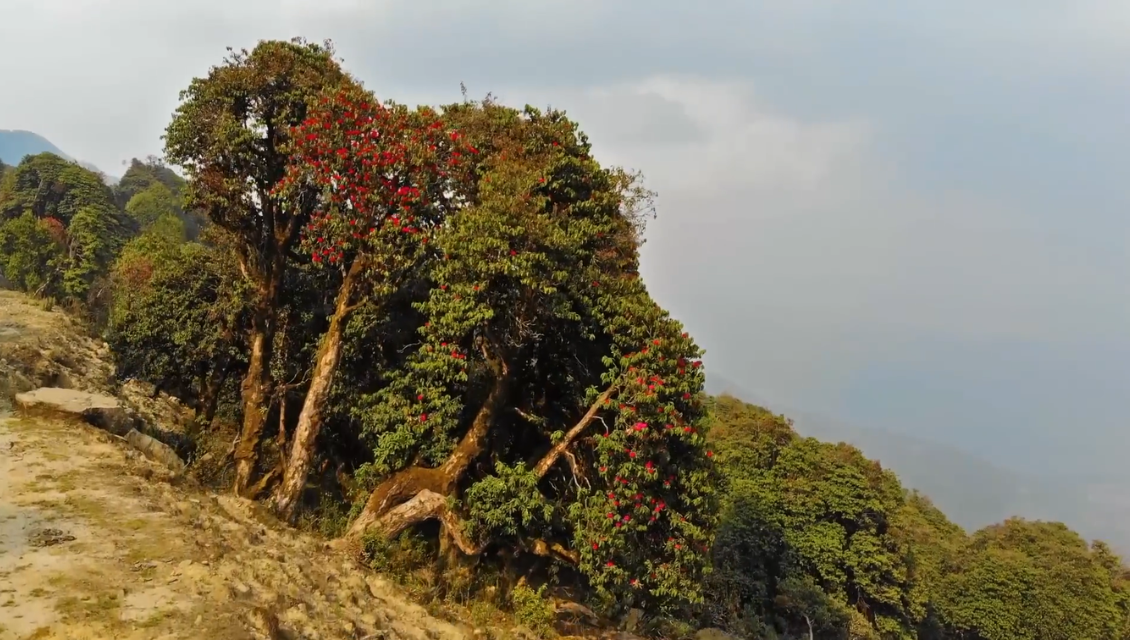
The landscape is dominated by lush forests, rolling hills, terraced farmland, and high ridges. The most famous feature of this region is its dense rhododendron forests, which are among the largest and most diverse in Nepal. During spring, the entire region transforms into a colorful natural garden with red, pink, and white rhododendron blooms covering the hillsides.
The trail follows a scenic ridge line known as the “Milke Danda,” which provides uninterrupted views of both eastern and central Himalayan ranges. Trekkers experience a unique combination of forest walks, open ridges, and traditional villages along the route.
The Jaljale area is particularly known for its high ridges and panoramic viewpoints, offering some of the best sunrise and sunset views in eastern Nepal. The Tinjure region is also famous for being the “Capital of Rhododendrons,” with exceptional biodiversity and forest conservation significance.
Climate and Best Time to Trek
The best seasons for the Milke–Tinjure–Jaljale Trek are spring (March–May) and autumn (September–November). These periods provide clear skies, stable weather, and excellent visibility of the Himalayan ranges.
Spring is the most spectacular season, as rhododendron forests bloom across the entire region, creating a colorful and scenic trekking experience. Autumn offers crisp air, dry trails, and some of the clearest mountain views of the year.
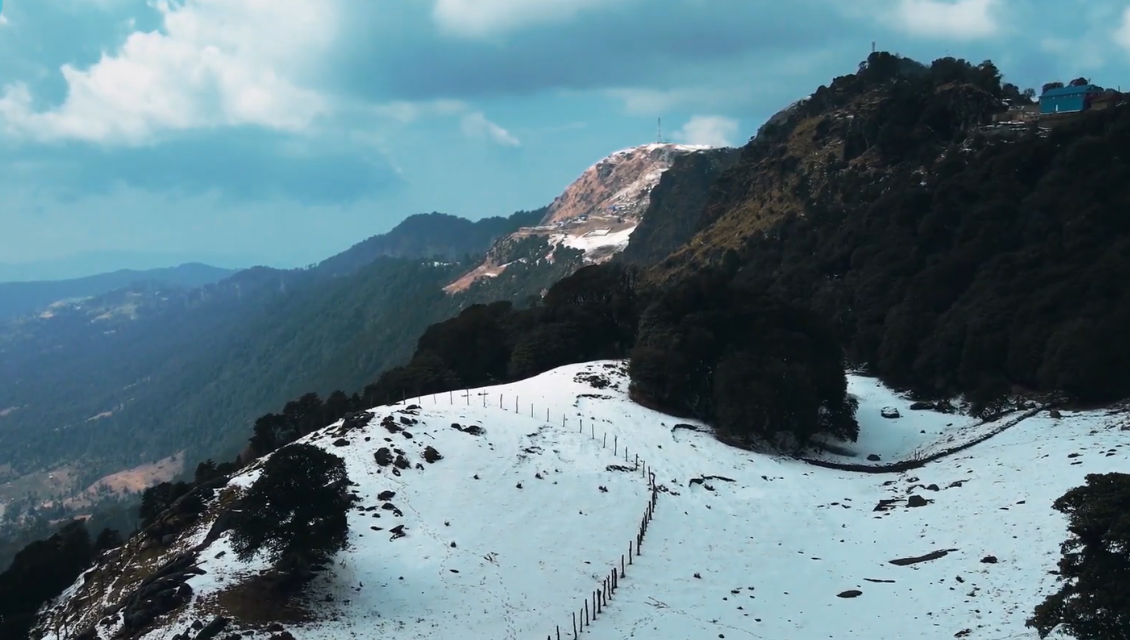
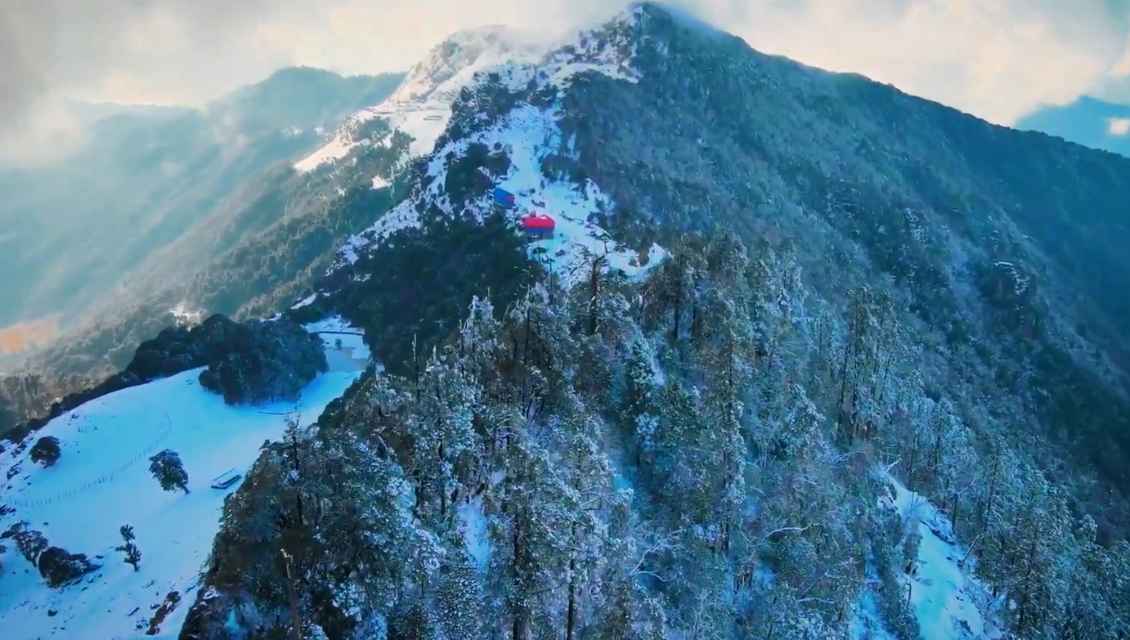
Winter (December–February) is colder but still suitable for trekking in lower elevations, with quieter trails and clear skies. The monsoon season (June–August) brings heavy rainfall, making trails slippery and reducing visibility, so it is generally not recommended.
Overall, spring is the most visually rewarding season for this trek due to the full bloom of rhododendron forests.
People and Culture
The Milke–Tinjure–Jaljale region is home to diverse ethnic communities, including Limbu, Rai, Gurung, and Magar groups. These communities have strong cultural traditions deeply connected to nature, ancestral worship, and agricultural lifestyles.
The Limbu and Rai communities, in particular, preserve rich oral traditions, festivals, and rituals that reflect their indigenous identity. Villages along the trail offer authentic cultural experiences, with traditional stone houses, terraced fields, and community forests playing an important role in daily life.
Local hospitality is warm and welcoming, with homestays and small teahouses providing cultural interaction and traditional meals. The region is also known for its community-based conservation efforts, especially in protecting rhododendron forests and biodiversity.
The combination of floral beauty, Himalayan views, and rich indigenous culture makes the Milke–Tinjure–Jaljale Trek one of the most peaceful and scenic hidden gems of eastern Nepal.
Package Highlights:
- Panoramic views of Kanchenjunga, Makalu, and Everest
- Rhododendron blooms with over 28 species in spring
- Visit sacred Gupha Pokhari
- Scenic TMJ ridge walks through peaceful forests
- Sunrise viewpoints with stunning Himalayan vistas
- Rich birdlife and natural biodiversity
- Authentic Limbu culture and homestay experiences
- Quiet, unspoiled trails away from trekking crowds
Book This Trip
Trip Information
 Start : Kathmandu
 Finish : Kathmandu
 Difficulty :
Moderate
Difficulty :
Moderate
 Max Altitude : 3400m
 Group Size : 17 People
 Season : SEP-NOV, MAR-MAY
Trip Gallery


Trip Itinerary
Altitude - 1400m
Welcome to Nepal! Upon landing at Tribhuvan International Airport, you'll be received by a representative and transferred to your hotel in Thamel, the heart of Kathmandu’s cultural and trekking scene. After check-in, you’ll attend a briefing session with your guide and finalize permits and gear. Enjoy your first evening with a traditional welcome dinner featuring local dishes like dal bhat, momo, or Newari cuisine.
Accomadation: Hotel
Place to visit: Nepal
Meals: Dinner
Altitude: 1,400m – 1,400m
Activity Duration: 2-3 hours
Today is reserved for trek preparation, permit processing, and final equipment checks. You can explore Kathmandu’s lively streets, purchase trekking essentials in Thamel, or visit cultural heritage sites such as Pashupatinath Temple, Boudhanath Stupa, or Kathmandu Durbar Square. In the evening, your guide will provide a final briefing about the TMJ trek route and weather conditions.
Accomadation: Hotel
Place to visit: Nepal
Meals: Breakfast
Altitude: 1,400m – 72m – 2,200m
Travel Duration: Flight 35 minutes + Drive 6–7 hours
After an early breakfast, fly from Kathmandu to Biratnagar, Nepal’s lowland hub near the Indian border. From here, take a scenic drive through Dharan and Hile to Basantapur, a charming hill town and trailhead of the TMJ trek. Basantapur offers first glimpses of Mt. Kanchenjunga on clear days and a cool mid-hill climate.
Accomadation: Tea House
Place to visit: Kanchenjunga Region
Meals: Breakfast Lunch Dinner
Altitude: 2,200m – 2,700m
Trek Duration: 5–6 hours
Start your trek gradually ascending through rhododendron and pine forests, with passing views of villages and rice terraces. You’ll encounter Limbu settlements and friendly locals along the route. Arrive at Chauki, a ridge-top settlement offering stunning views of Makalu, Jaljale Ridge, and surrounding green hills.
Accomadation: Tea House
Place to visit: Kanchenjunga Region
Meals: Breakfast Lunch Dinner
Altitude: 2,700m – 2,890m
Trek Duration: 5–6 hours
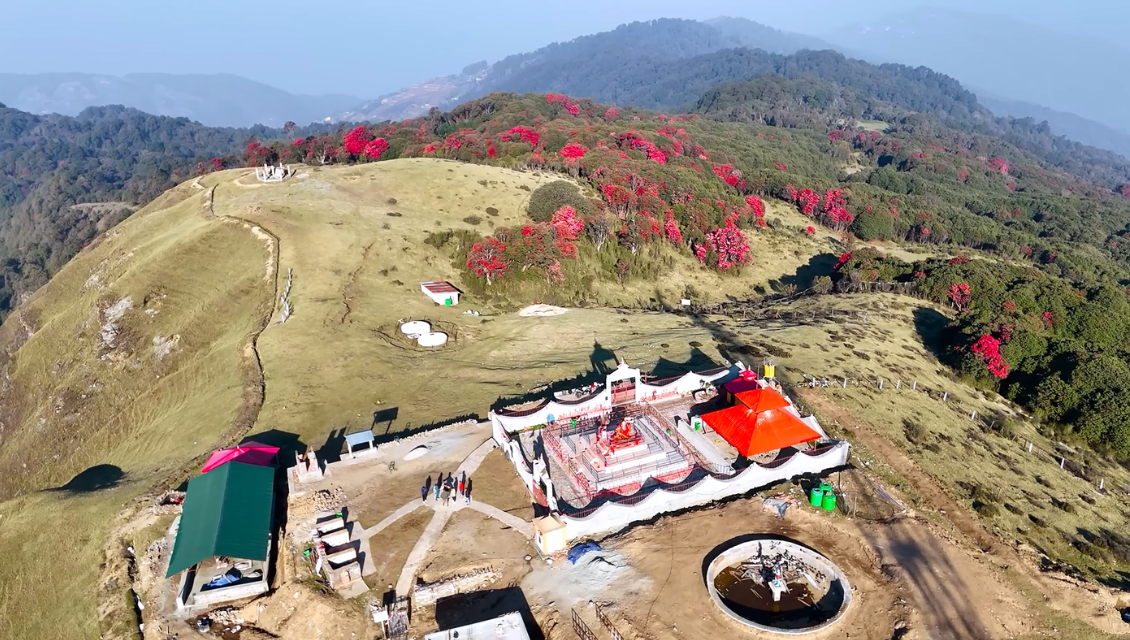
Follow a forested trail carpeted with rhododendron, moss, and bamboo—especially vibrant from March to May. You’ll enjoy scattered views of Everest, Lhotse, Makalu, and Kangchenjunga during the walk. Reach Gupha Pokhari, a sacred lake revered by Buddhists and Hindus, believed to fulfill wishes. The peaceful lakeside makes a perfect spiritual and scenic rest stop.
Accomadation: Tea House
Place to visit: Kanchenjunga Region
Meals: Breakfast Lunch Dinner
Altitude: 2,890m – 3,400m – 2,890m
Hike Duration: 5–6 hours
Early morning, hike to Jaljale Danda, a dramatic ridge that provides 360-degree views of the eastern Himalayas. This is one of the best spots for sunrise photography, especially of five 8,000m+ peaks (Everest, Lhotse, Makalu, Kangchenjunga, and Cho Oyu). Birdwatchers may spot species like pheasants, sunbirds, and Himalayan monals. Return to Gupha Pokhari for rest and reflection.
Accomadation: Tea House
Place to visit: Kanchenjunga Region
Meals: Breakfast Lunch Dinner
Altitude: 2,890m – 3,000m
Trek Duration: 5–6 hours
Today you’ll follow the Milke Ridge, walking through a sea of rhododendrons and highland grazing fields. This is the heart of the TMJ Trail, home to the highest rhododendron diversity in the world—up to 28 species bloom here in spring. Stay near Milke Danda or Gorja, depending on pace and availability.
Accomadation: Tea House
Place to visit: Kanchenjunga Region
Meals: Breakfast Lunch Dinner
Altitude: 3,000m – 2,500m
Trek Duration: 5–6 hours
Begin descending from alpine meadows to subtropical forests, passing remote summer grazing huts and serene trails. Arrive at Jaljale Base Camp or Dovan, a small forest settlement. Enjoy the wilderness, bird calls, and a sense of total disconnection.
Accomadation: Tea House
Place to visit: Kanchenjunga Region
Meals: Breakfast Lunch Dinner
Altitude: 2,500m – 1,820m
Trek Duration: 5–6 hours
Trek further down through Limbu and Sherpa villages, stopping to visit Buddhist monasteries and local tea gardens. You’ll arrive at Taplejung, a small but bustling hill-town that connects to the Kangchenjunga trail. Explore the bazaar or enjoy your first proper hot shower in days.
Accomadation: Tea House
Place to visit: Kanchenjunga Region
Meals: Breakfast Lunch Dinner
Altitude: 1,820m – 72m – 1,400m
Travel Duration: Flight 35–45 minutes + 40 minutes
Early morning, fly from Suketar Airport (Taplejung) to Biratnagar. From there, connect to Kathmandu by afternoon flight. After checking in, enjoy a relaxed day in the city—visit Boudhanath Stupa, Garden of Dreams, or shop for handicrafts.
Accomadation: Hotel
Place to visit: Nepal
Meals: Breakfast Lunch Dinner
After breakfast, your guide will transfer you to Tribhuvan International Airport for your departure flight. You leave Nepal with unforgettablmemories of rhododendron forests, peaceful ridges, and warm mountain hospitality.
Place to visit: Nepal
Meals: Breakfast
Cost Includes
1. Transportations
- Private/tourist vehicles for airport pickup and drop-off in Kathmandu.
- Private/tourist vehicles transfer as per itinerary to access the trailheads.
- Domestic flight included for access to the trekking starting & ending point.
2. Accommodation & Meals
- 3 Nights 3 star hotel in Kathmandu with bed & breakfast basis.
- All Meals (breakfast, lunch & dinner with tea & coffee) during the trekking Period.
3. Permits
- Kanchenjunga Conservation Area Project (ACAP) permits.
- Trekkers' Information Management System (TIMS) permits.
4. Guide & Staff
- Professional and experience License holder trekking guide salary & insurance.
- Porter salary, equipments & insurance.
- First aid medical kit for emergency support.
1. Transportations
- Private/tourist vehicles for airport pickup and drop-off in Kathmandu.
- Private/tourist vehicles transfer as per itinerary to access the trailheads.
- Domestic flight included for access to the trekking starting & ending point.
2. Accommodation & Meals
- 3 Nights 3 star hotel in Kathmandu with bed & breakfast basis.
- All Meals (breakfast, lunch & dinner with tea & coffee) during the trekking Period.
3. Permits
- Kanchenjunga Conservation Area Project (ACAP) permits.
- Trekkers' Information Management System (TIMS) permits.
4. Guide & Staff
- Professional and experience License holder trekking guide salary & insurance.
- Porter salary, equipments & insurance.
- First aid medical kit for emergency support.
Cost Excludes
1. International Flights
- Airfare from your home country to Nepal (Tribhuvan International Airport, Kathmandu).
- Return airfare from Nepal (Tribhuvan International Airport, Kathmandu) to your home country.
2. Visa Fees
- Nepal entry visa fee for entering Nepal (available on arrival at Tribhuvan International Airport, Kathmandu, or through a Nepalese embassy).
3. Travel Insurance (Mandatory)
- Comprehensive travel insurance covering high-altitude trekking, emergency medical treatment, helicopter evacuation, trip cancellation, and other unforeseen circumstances.
4. Personal Expenses
- Tips, gifts, and souvenirs for trekking guides and porters.
- Personal trekking equipment and gear.
- Charges for lodge Wi-Fi, hot showers, battery charging, and laundry services.
5. Meals & Beverages
- Lunch and dinner in Kathmandu, Pokhara, and other locations where accommodation is provided in 3-star category hotels.
- Soft drinks, bottled water, alcoholic beverages, and snacks consumed during meals
1. International Flights
- Airfare from your home country to Nepal (Tribhuvan International Airport, Kathmandu).
- Return airfare from Nepal (Tribhuvan International Airport, Kathmandu) to your home country.
2. Visa Fees
- Nepal entry visa fee for entering Nepal (available on arrival at Tribhuvan International Airport, Kathmandu, or through a Nepalese embassy).
3. Travel Insurance (Mandatory)
- Comprehensive travel insurance covering high-altitude trekking, emergency medical treatment, helicopter evacuation, trip cancellation, and other unforeseen circumstances.
4. Personal Expenses
- Tips, gifts, and souvenirs for trekking guides and porters.
- Personal trekking equipment and gear.
- Charges for lodge Wi-Fi, hot showers, battery charging, and laundry services.
5. Meals & Beverages
- Lunch and dinner in Kathmandu, Pokhara, and other locations where accommodation is provided in 3-star category hotels.
- Soft drinks, bottled water, alcoholic beverages, and snacks consumed during meals
Trip Date And Time
Select Your Preferred Departure - We'll Handle the Rest.
|
Start |
End |
Trip Cost |
Action |
Enquire |
|---|---|---|---|---|
| 18 Nov, 2026 | 28 Nov, 2026 | 2150 | Book Now | |
| 10 Nov, 2026 | 20 Nov, 2026 | 2150 | Book Now | |
| 03 Nov, 2026 | 13 Nov, 2026 | 2150 | Book Now | |
| 28 Oct, 2026 | 07 Nov, 2026 | 2150 | Book Now | |
| 20 Oct, 2026 | 30 Oct, 2026 | 2150 | Book Now | |
| 12 Oct, 2026 | 22 Oct, 2026 | 2150 | Book Now | |
| 04 Oct, 2026 | 14 Oct, 2026 | 2150 | Book Now | |
| 28 Sep, 2026 | 08 Oct, 2026 | 2150 | Book Now | |
| 20 Sep, 2026 | 30 Sep, 2026 | 2150 | Book Now | |
| 13 Sep, 2026 | 23 Sep, 2026 | 2150 | Book Now | |
| 06 Sep, 2026 | 16 Sep, 2026 | 2150 | Book Now |
Essential Information
Accommodation
Accommodation is provided in simple teahouses, community lodges, and homestays along the route.
Villages in lower and mid sections offer basic but comfortable rooms with twin-sharing beds. In more remote ridge areas near Milke Danda and Tinjure, accommodation is very simple due to limited infrastructure.
Hospitality is warm and community-based throughout the trail.
Meals
A full-board meal system (Breakfast, Lunch, and Dinner) is available throughout the trek, prepared by local families and lodges.
Typical food includes:
- Traditional Dal Bhat set meals
- Millet, maize, and buckwheat-based dishes
- Seasonal vegetables and greens
- Noodles, rice, and soups
- Eggs, bread, and tea
Local organic food is a highlight of the experience.
Difficulty & Physical Requirements
The Milke–Tinjure–Jaljale Trek is classified as easy to moderate, suitable for beginners, families, and cultural trekkers.
Daily walking ranges from 4 to 6 hours, with gradual ascents and ridge walking. There are no technical sections or high-altitude risks.
Permits
Required permits include:
- TIMS Card (Trekkers’ Information Management System)
- Local conservation or municipality permits (if required depending on route sections)
Permits are usually arranged by trekking agencies.
Best Season
- Spring (March–May): Best season for rhododendron bloom and vibrant forests
- Autumn (September–November): Clear mountain views and pleasant weather
- Winter (December–February): Cold but scenic ridge views
- Monsoon (June–August): Lush greenery but slippery trails and leeches
Transportation & Access
The trek is accessible via eastern Nepal routes:
- Drive or flight from Kathmandu to Biratnagar or Bhadrapur Airport
- Road travel toward Basantapur, Tumlingtar, or Tehrathum entry points
- Trekking begins from ridge trailheads in Milke, Tinjure, or Jaljale regions
The route mainly follows scenic hill ridges connecting multiple districts.
Safety & Acclimatization
This is a low to mid-altitude trek with no major altitude risks.
Key considerations include:
- Moderate uphill and ridge walking
- Weather changes in forested and alpine zones
- Basic trail navigation in remote areas
- Hydration and steady pacing
Guides are helpful for cultural interpretation and navigation.
Travel Insurance
Recommended travel insurance should include:
- Basic trekking coverage (low to moderate altitude)
- Medical emergency coverage
- Trip cancellation protection
- Accident coverage for rural trekking
Additional Information
Guide & Porter Services
Local guides are recommended for cultural insights, forest route navigation, and region-wide exploration.
Porters are optional and mainly useful for longer multi-district trekking itineraries.
Cultural & Natural Highlights
The Milke–Tinjure–Jaljale Trek is famous for its natural beauty and biodiversity:
- Largest natural rhododendron forest zone in Nepal
- Stunning ridge views of Kanchenjunga and Makalu ranges
- Rich biodiversity and alpine flora
- Traditional Limbu, Rai, and Sherpa villages
- Peaceful, uncrowded trekking trails
- Sunrise and sunset Himalayan viewpoints
- Seasonal flower blooms (especially spring)
- One of Nepal’s best nature and photography trekking routes
Essential Equipment
Recommended trekking gear includes:
- Comfortable trekking shoes
- Light layered clothing system
- Windproof jacket and rain protection
- Warm clothing for ridge areas
- Hat, sunglasses, and sunscreen
- Small daypack (20–30L)
- Basic first aid kit
Communication & Connectivity
Mobile network coverage is available in lower settlements but becomes weak or unavailable on ridge sections.
Wi-Fi is limited, so trekkers should expect partial or no connectivity in remote areas.
Why Choose the Milke–Tinjure–Jaljale Trek?
This trek is ideal for travelers seeking nature, peace, and cultural richness:
- Rhododendron capital of Nepal experience
- Stunning ridge walks across eastern hills
- Views of Kanchenjunga and Makalu ranges
- Easy to moderate trekking suitable for all ages
- Rich biodiversity and seasonal flower blooms
- Less crowded and peaceful environment
- Authentic cultural villages of eastern Nepal
- One of Nepal’s best mid-hill nature treks
USD 2150 / person
See group booking discount- No. of person Price per person
- 1 USD 2150.00
- 2-3 USD 1890.00
- 4-7 USD 1700.00
- 8-12 USD 1625.00
- 13-17 USD 1550.00
The price may varies
Speak to an Expert