Budget
USD 6999
Per Person
Rating
No review has been posted yet
Duration
10 Days
Trip Overview
Bhutan Samtengang Trek – A Journey Through the Heart of the Himalayas
The Samtengang Trek is a beautiful, moderate-level trek in central Bhutan that combines lush landscapes, traditional villages, and panoramic Himalayan views. Unlike the more challenging high-altitude treks, Samtengang offers a gentler yet deeply immersive experience into Bhutan’s rural charm, making it perfect for those seeking nature, culture, and spiritual calm. Lasting 3 to 4 days, it is often part of a longer 10- to 12-day Bhutan itinerary.
Geography
The Samtengang Trek is located in the Wangdue Phodrang district of central Bhutan. The trail typically begins from Chungsakha or Tikke Zampa, climbing steadily through pine forests, terraced fields, and serene lakes before ending at Samtengang village, situated at an elevation of about 2,300 meters (7,500 feet).
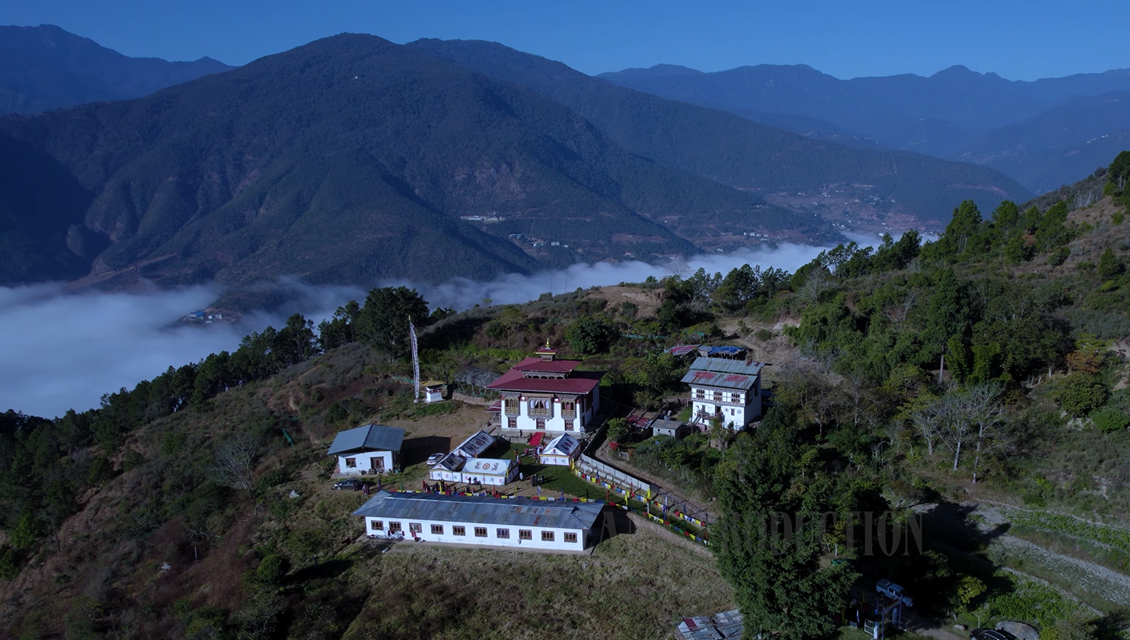
The terrain is varied but not overly strenuous. You'll pass traditional farmhouses, monasteries, and schools as you hike through the beautiful Black Mountains, part of Bhutan's central highlands. The highlight of the trek is Samtengang Lake, a tranquil spot surrounded by forest and perfect for camping.
People and Climate
The region is inhabited by friendly and hardworking villagers, primarily subsistence farmers who grow rice, chilies, maize, and potatoes. The people in this region, like most Bhutanese, are devout Buddhists and live in harmony with their environment. You’ll likely encounter monks, schoolchildren, and farmers on your trek, offering a glimpse into authentic rural Bhutanese life.
The climate in this region is temperate. The best seasons for the Samtengang Trek are spring (March to May) and autumn (September to November), when skies are clear and temperatures are pleasant. Days are mild, but nights can get chilly at higher elevations, so warm clothing is essential.
Transportation
The trek begins near Wangdue Phodrang, which is about a 3-hour drive from Thimphu, Bhutan’s capital. Most tour operators provide private transport to the trailhead. While Bhutan has a limited road network due to its mountainous terrain, the roads are well-maintained and scenic, offering breathtaking views throughout the journey.
Since Bhutan has only one international airport (in Paro), travelers usually fly into Paro and then travel by road to Punakha or Wangdue to begin the trek.
Package Highlights:
- A short and easy trek ideal for beginners
- Scenic trails through forests, terraced fields, and traditional villages
- Breathtaking views of the Himalayan foothills
- Visit to Punakha Dzong, one of Bhutan’s most stunning fortresses
- Bhutan’s longest suspension bridge at Tika Zam/ Chhuzomsa
- Cultural encounters with locals and insights into Bhutanese rural life
- Exploration of ancient monasteries and Buddhist stupas
- Opportunities to see diverse flora and fauna of Bhutan
- Comfortable camping experience in a peaceful natural setting
Book This Trip
Trip Information
 Start : Kathmandu
 Finish : Kathmandu
 Difficulty :
Moderate
Difficulty :
Moderate
 Max Altitude : 3120M
 Group Size : 10 People
 Season : SEP-NOV, MAR-MAY
Trip Gallery




Trip Itinerary
Upon arrival in Paro, you will be welcomed with the stunning views of the Paro Valley. Spend the day exploring the historic Paro Dzong, the National Museum, and the vibrant local markets. The evening offers a relaxing opportunity to acclimatize to Bhutan’s unique atmosphere.
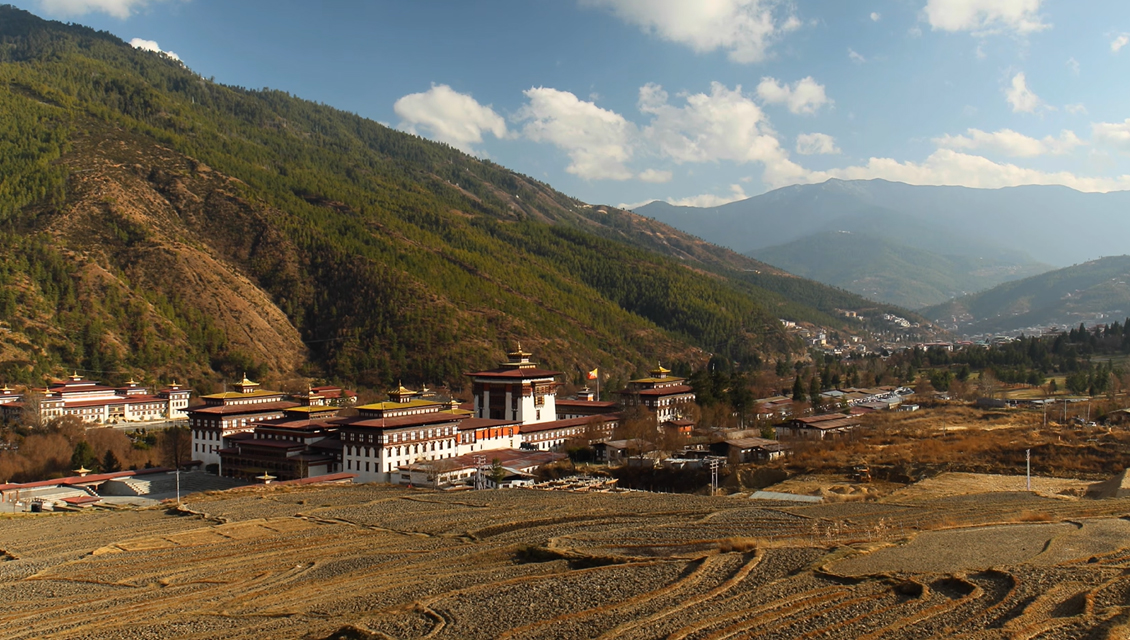
After breakfast, take a scenic drive to Bhutan’s capital, Thimphu. Visit landmarks like the Memorial Chorten, the grand Tashichho Dzong, and the towering Buddha Dordenma statue. Enjoy the blend of traditional and modern Bhutanese culture as you explore the city.
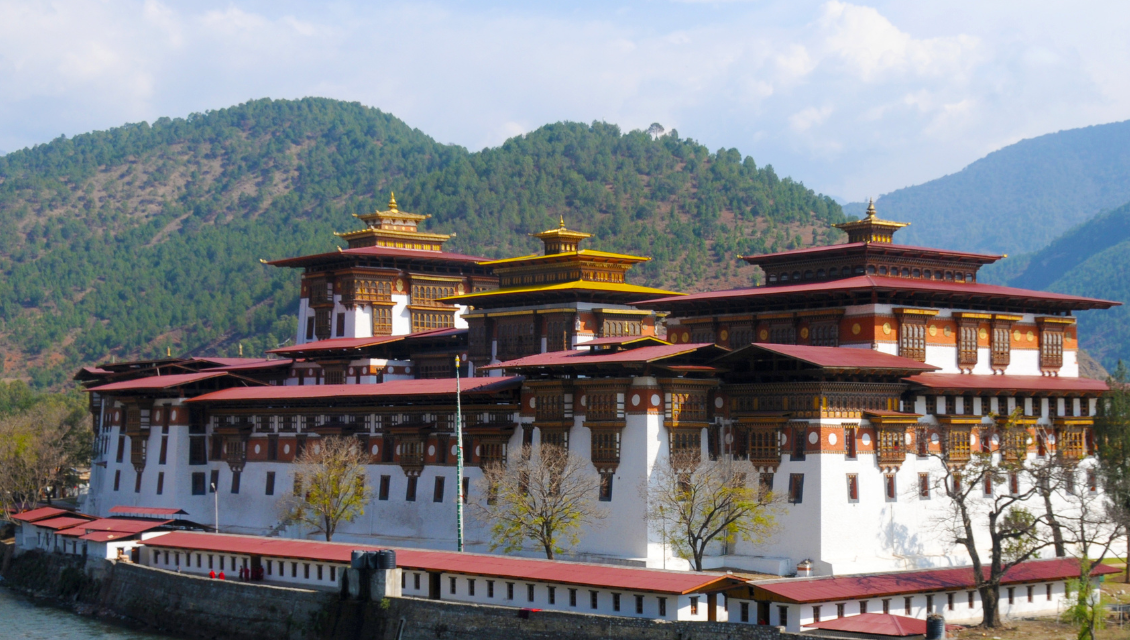
Depart for Punakha, passing through Dochula Pass, where you can enjoy breathtaking views of the Himalayan range. Descend into the lush Punakha Valley and visit the magnificent Punakha Dzong, a masterpiece of Bhutanese architecture situated at the confluence of two rivers.
The trek begins with a gradual ascent through beautiful rhododendron forests and charming villages. Along the way, you will witness terraced fields and get a glimpse of the rural Bhutanese lifestyle. The day ends at Limbukha, a quiet village known for its serene environment.
Hiking through thick oak and pine forests, you will pass through small settlements and traditional farmhouses. The trail offers scenic mountain views and opportunities to interact with locals. Reaching Chungsakha, you can visit an ancient temple and monastery that holds spiritual significance.
This day’s trek takes you through picturesque landscapes, descending towards Samtengang, a tranquil village surrounded by lush greenery. The peaceful environment and breathtaking valley view’s make it a perfect place to relax after a day’s walk.
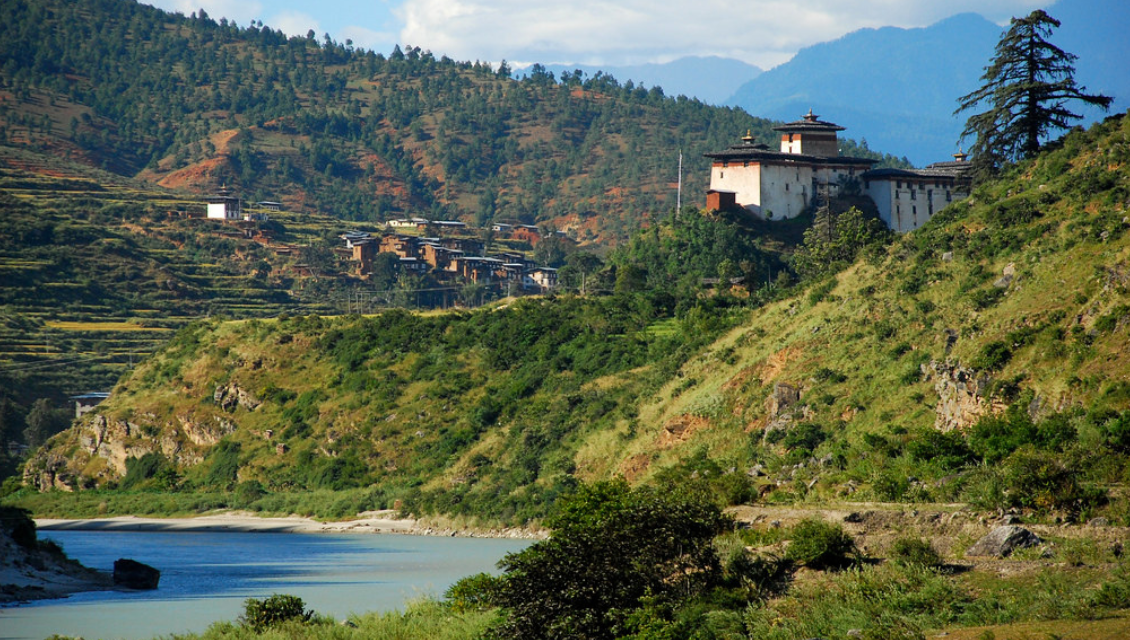
The trek gradually descends towards Wangdue Phodrang, marking the end of the trekking journey. Upon arrival, visit Wangdue Dzong, an important fortress that overlooks the river and holds historical significance in Bhutanese culture.
Drive back to Paro through scenic mountain roads, making stops at viewpoints and monasteries along the way. Spend the evening exploring Paro town and preparing for the next day’s adventure.
Embark on a thrilling hike to the iconic Tiger’s Nest Monastery, perched dramatically on a cliffside. The challenging yet rewarding trek offers stunning views and a profound spiritual experience. Spend time exploring the monastery before descending back to Paro.
After an unforgettable journey through Bhutan, you will be transferred to the airport for your departure, carrying cherished memories of the trek, the people, and the culture of this enchanting kingdom.
Cost Includes
1. Visa & Fees
- Visa & SDF: Bhutan visa processing and the Sustainable Development Fee (SDF) for tourism in Bhutan.
2. Camping & Meals
- Camping: All necessary camping equipment and setup provided for a comfortable trekking experience.
- Meals: All meals included during the trek (Breakfast, Lunch, and Dinner – BLD).
3. Staff
- Guide: Experienced guide to provide insights, ensure safety, and offer support throughout the trek.
4. Transportation
- Transport: Comfortable private vehicle for all transfers and transportation needs during the trek.
1. Visa & Fees
- Visa & SDF: Bhutan visa processing and the Sustainable Development Fee (SDF) for tourism in Bhutan.
2. Camping & Meals
- Camping: All necessary camping equipment and setup provided for a comfortable trekking experience.
- Meals: All meals included during the trek (Breakfast, Lunch, and Dinner – BLD).
3. Staff
- Guide: Experienced guide to provide insights, ensure safety, and offer support throughout the trek.
4. Transportation
- Transport: Comfortable private vehicle for all transfers and transportation needs during the trek.
Cost Excludes
1. Flights
- International Airfare: Flights to and from Bhutan.
2. Travel Insurance
- Travel Insurance: Comprehensive travel insurance covering unforeseen circumstances, medical emergencies, and trip cancellation.
3. Personal Expenses
- Personal Nature Expenses: Costs for shopping, additional personal items, and other individual expenditures.
4. Tips & Gratuities
- Tips & Gratuities: Optional but customary for guides, porters, and other support staff.
1. Flights
- International Airfare: Flights to and from Bhutan.
2. Travel Insurance
- Travel Insurance: Comprehensive travel insurance covering unforeseen circumstances, medical emergencies, and trip cancellation.
3. Personal Expenses
- Personal Nature Expenses: Costs for shopping, additional personal items, and other individual expenditures.
4. Tips & Gratuities
- Tips & Gratuities: Optional but customary for guides, porters, and other support staff.
Trip Date And Time
Select Your Preferred Departure - We'll Handle the Rest.
Essential Information
Duration
The Samtengang Trek is a scenic and culturally rich journey that typically requires 3–4 days of trekking, while the complete travel itinerary, including arrival, sightseeing, and departure, generally lasts 6–8 days. This short trek is ideal for travelers seeking an authentic Bhutanese trekking experience combined with cultural exploration.
Trek Grade
The trek is graded as Easy to Moderate, making it suitable for beginners, families, and travelers with a reasonable level of fitness. Daily walking averages 4–6 hours along well-established village paths, forest trails, and gentle mountain ridges. The route does not involve technical climbing or strenuous ascents, making it one of Bhutan's most accessible trekking adventures.
Altitude
The trek ranges between 1,300 metres and 2,900 metres, with the highest point reached near Samtengang Village. The relatively low altitude makes acclimatization straightforward and significantly reduces the risk of altitude sickness, allowing trekkers to enjoy the journey at a comfortable pace.
Trekking Distance
The total trekking distance is approximately 45–55 kilometres, with daily walking distances ranging from 10 to 15 kilometres. The trail passes through forests, cultivated farmland, traditional villages, and rolling hills, offering a diverse and relaxing trekking experience.
Accommodation
Accommodation during the trek is provided in fully serviced camping sites or, where available, simple community campsites. Comfortable sleeping tents, a dining tent, kitchen facilities, and toilet tents are arranged by the support crew. Hotel accommodation is provided before and after the trek in Bhutan's major towns.
Meals
Three freshly prepared meals are served daily throughout the trek. Meals include a combination of traditional Bhutanese cuisine, Asian specialties, and Continental dishes prepared by experienced camp staff. Special dietary requirements, including vegetarian and vegan meals, can be accommodated with advance notice.
Transportation
Private vehicle transfers are provided throughout the journey, including airport transfers, sightseeing, and transportation to and from the trekking trail. Scenic drives through Bhutan's valleys and mountain roads add to the overall travel experience.
Best Time to Visit
The Samtengang Trek can be enjoyed throughout most of the year, with the best trekking seasons being March to May and September to November. Spring offers blooming flowers, lush forests, and pleasant temperatures, while autumn provides clear mountain views, dry weather, and excellent conditions for walking and photography.
Permits and Visa
All international visitors require a valid passport, a Bhutan tourist visa, and the necessary trekking permits. According to Bhutanese regulations, visitors must travel with a licensed Bhutanese guide through an authorized tour operator, with all permits arranged before arrival.
Travel Insurance
Comprehensive travel insurance is highly recommended and should include medical expenses, emergency evacuation, trip cancellation, and personal belongings. Although the trek remains at relatively low elevations, adequate insurance provides valuable peace of mind.
Additional Information
Scenic Highlights
The Samtengang Trek offers a wonderful blend of natural beauty and rural Bhutanese life. The trail passes through peaceful forests, terraced fields, orange orchards, traditional farmhouses, and scenic mountain ridges overlooking the fertile valleys of central Bhutan. Unlike Bhutan's high-altitude treks, this route emphasizes cultural landscapes and everyday village life.
Culture and Heritage
One of the greatest attractions of the Samtengang Trek is the opportunity to experience authentic Bhutanese culture. Trekkers visit remote villages, interact with local families, observe traditional farming practices, and explore historic monasteries, temples, and chortens that have served local communities for centuries. The trek provides a deeper understanding of Bhutan's rural lifestyle, Buddhist traditions, and cultural heritage.
Flora and Fauna
The trail passes through mixed broadleaf forests, pine woodlands, bamboo groves, and cultivated farmland. Depending on the season, trekkers may encounter colourful Himalayan bird species, barking deer, langur monkeys, butterflies, and a variety of native plants and wildflowers. Spring is particularly rewarding for nature lovers and birdwatchers.
Weather and Climate
The lower elevation of the Samtengang Trek provides mild and comfortable weather throughout most of the year. Daytime temperatures generally range between 15°C and 25°C, while evenings remain cool with temperatures between 5°C and 12°C during the main trekking seasons. Lightweight trekking clothing combined with a warm jacket for the evenings is usually sufficient.
Communication and Electricity
Mobile phone coverage is available in most villages along the route, although signals may vary in remote forest sections. Electricity is generally available in nearby settlements, but campers are advised to carry a power bank to ensure electronic devices remain charged throughout the trek.
Health and Safety
The Samtengang Trek is one of Bhutan's most comfortable trekking routes due to its moderate altitude and gentle terrain. Professional licensed guides accompany every departure and carry a first-aid kit. Although the risk of altitude sickness is minimal, trekkers should maintain good hydration, wear appropriate footwear, and follow the guide's advice throughout the journey.
Responsible Tourism
The trek supports Bhutan's sustainable tourism policy by promoting responsible travel, environmental conservation, and community-based tourism. Visitors are encouraged to respect local customs, dress modestly when visiting religious sites, reduce plastic waste, and support local communities by purchasing locally produced handicrafts and agricultural products where appropriate.
Packing Recommendations
Recommended equipment includes comfortable trekking boots, lightweight trekking clothing, a waterproof jacket, fleece or light down jacket, sun hat, sunglasses, sunscreen, reusable water bottle, trekking poles, insect repellent, personal medications, headlamp, camera, and a small daypack for daily essentials.
Why Choose the Samtengang Trek?
The Samtengang Trek is an excellent choice for travelers seeking a gentle Himalayan trekking experience without high-altitude challenges. Combining beautiful countryside, traditional Bhutanese villages, peaceful forests, historic monasteries, and warm local hospitality, this trek offers an authentic insight into Bhutan's culture and natural beauty. It is particularly suitable for families, first-time trekkers, photographers, birdwatchers, and anyone wishing to explore the quieter and less-visited regions of the Kingdom of Bhutan.
USD 6999 / person
See group booking discount- No. of person Price per person
The price may varies
Speak to an Expert