Wildlife Safari in Nepal – The Ultimate Jungle & Nature Experience
Nepal is globally recognized for the Himalayas, but equally significant is its extraordinary network of protected tropical forests, wetlands, and grassland ecosystems. Spread across the lowland Terai belt, Nepal’s national parks and conservation areas form one of South Asia’s richest biodiversity corridors, offering exceptional wildlife viewing and immersive nature-based experiences.
A wildlife safari in Nepal is a professionally guided, conservation-oriented journey into these protected ecosystems. It combines jeep safaris, jungle walks, canoe excursions, birdwatching, and cultural encounters with indigenous communities. Designed for comfort and accessibility, it is suitable for families, senior travelers, photographers, and nature enthusiasts seeking close interaction with wildlife in their natural habitat.
What Defines Wildlife Safari in Nepal?
Wildlife safaris in Nepal are structured eco-tourism experiences conducted within national parks, wildlife reserves, and buffer zones under strict conservation regulations. Each safari is led by trained naturalist guides to ensure safety, ecological awareness, and responsible wildlife observation.
Safari programs typically include:
- Jeep safaris through designated wildlife corridors
- Guided jungle walks with certified naturalists
- Canoe rides in rivers and wetland ecosystems
- Birdwatching excursions in biodiversity hotspots
- Cultural visits to indigenous communities
- Eco-lodge and jungle resort-based accommodation
- Strict adherence to national park regulations
Why Nepal is a Premier Wildlife Safari Destination
Despite its relatively small geographical size, Nepal hosts an exceptional range of ecological zones, from subtropical lowlands to Himalayan foothills. This diversity supports a wide range of globally significant wildlife species.
Key species include the one-horned rhinoceros, Bengal tiger, Asian elephant, sloth bear, gharial crocodile, leopard, and red panda. Nepal’s conservation success is attributed to a strong protected area system, community-based buffer zone management, and international conservation partnerships.
Another major advantage is accessibility. Wildlife safari experiences in Nepal can be seamlessly integrated with cultural heritage tours, Himalayan viewpoints, or pilgrimage routes, offering a well-balanced travel experience within a single itinerary.
Professional naturalist guides, eco-certified lodges, and structured park management ensure that safari tourism in Nepal is both educational and environmentally responsible.
Major Wildlife Safari Destinations in Nepal
Nepal offers several internationally recognized national parks and reserves, each with distinct ecosystems and wildlife specialties.
Chitwan National Park – Nepal’s Flagship Safari Destination
A UNESCO World Heritage Site and the most established safari destination in Nepal.
Key highlights:
- One-horned rhinoceros sightings
- Bengal tiger habitat (occasional sightings)
- Structured jeep safari network
- Canoe rides on the Rapti and Narayani Rivers
- Tharu cultural heritage experiences
- Over 500 species of birds
Chitwan represents the most developed and comprehensive wildlife safari infrastructure in Nepal.
Bardiya National Park – The Tiger Conservation Stronghold
Located in western Nepal, Bardiya is larger, more remote, and ecologically less disturbed than Chitwan.
Key highlights:
- Higher probability of Bengal tiger sightings
- Free-ranging Asian elephant populations
- Extensive riverine and grassland ecosystems
- Low tourist density and pristine jungle environment
- Authentic Tharu cultural immersion
Bardiya is considered Nepal’s most rewarding destination for serious wildlife observation.
Koshi Tappu Wildlife Reserve – Wetland & Birding Ecosystem
A Ramsar-listed wetland in eastern Nepal, internationally important for migratory bird species.
Key highlights:
- Over 400 recorded bird species
- Seasonal migratory bird populations
- Wild water buffalo (Arna) conservation area
- Wetland and floodplain ecosystems
- Canoe-based birdwatching experiences
Koshi Tappu is Nepal’s primary destination for ornithological tourism and wetland ecology studies.
Parsa National Park – Lowland Forest Wilderness
A protected forest ecosystem located adjacent to Chitwan but significantly less visited.
Key highlights:
- Dense sal forest ecosystems
- Elephant, deer, and leopard habitats
- Minimal tourist infrastructure
- Authentic and quiet safari environment
- Strong tiger corridor conservation zone
Shuklaphanta National Park – Western Grassland Ecosystem
Located in far-western Nepal, Shuklaphanta is renowned for its vast, open grasslands.
Key highlights:
- One of Asia’s largest swamp deer populations
- Bengal tiger habitat
- Extensive open grassland safari landscapes
- Remote and low-traffic safari environment
- High-quality birding opportunities
Wildlife Hunting in Nepal (Highly Regulated Activity)
Wildlife hunting in Nepal is strictly controlled and permitted only in designated areas under government regulation. It is not allowed within national parks or conservation areas.
The only legal hunting area is the Dhorpatan Hunting Reserve, where controlled, quota-based hunting is permitted for select species under strict supervision. Activities are regulated by the Government of Nepal and require official permits, licensed operators, and adherence to conservation frameworks.
This form of regulated hunting is managed to maintain ecological balance and is not part of general wildlife safari tourism.
Honey Hunting in Nepal – Indigenous Cultural Heritage Experience
Honey hunting is a traditional cultural practice carried out in remote Himalayan and mid-hill regions by indigenous communities, primarily the Gurung and Magar ethnic groups.
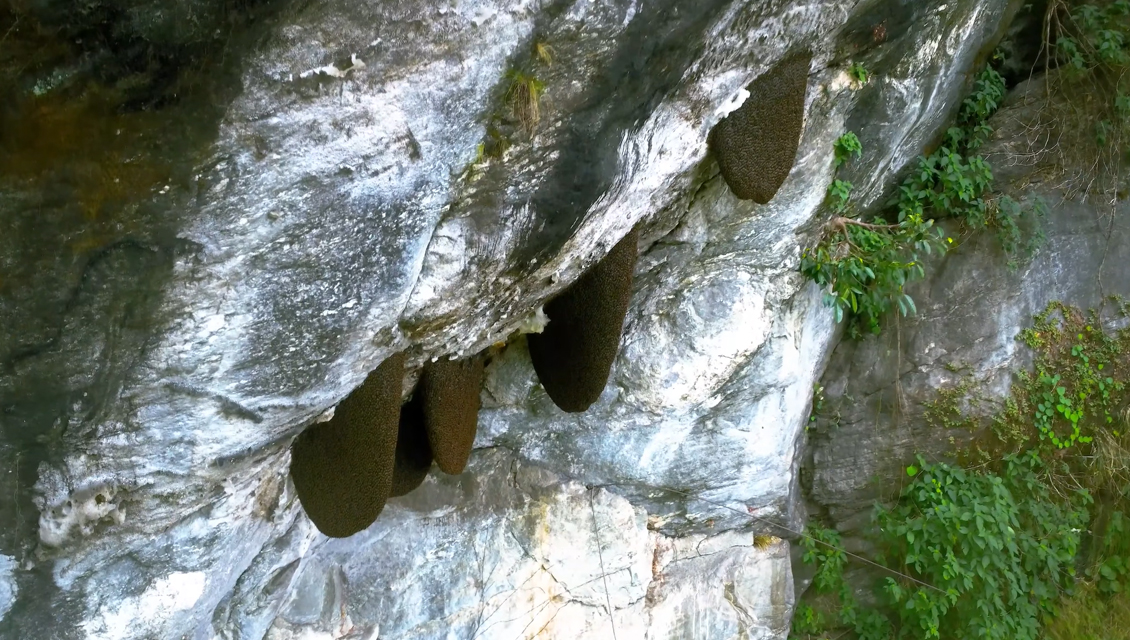
This unique practice involves harvesting wild honey from cliffs where giant Himalayan bees build their hives. Using traditional rope systems, bamboo ladders, and ancestral techniques, hunters carefully collect honey while following cultural rituals and environmental respect practices.
Key highlights include:
- Cliff-side wild honey harvesting
- Indigenous Gurung and Magar cultural traditions
- Seasonal, ritual-based community activity
- Traditional climbing and rope techniques
- Ethnographic and cultural immersion experience
Honey hunting represents a rare combination of cultural heritage, ecological knowledge, and extreme environmental adaptation.
Accommodation in Wildlife Regions
Accommodation ranges from eco-lodges to high-end jungle resorts located within or near buffer zones.
Standard features:
- Full-board accommodation (breakfast, lunch, dinner)
- Nature-integrated lodge environments
- Evening cultural programs
- Professional safari coordination services
- Luxury options include:
- Private villas and premium suites
- Personalized safari itineraries
- Exclusive naturalist-guided experiences
- High-end hospitality services in wilderness settings
Wildlife & Biodiversity Highlights
Nepal’s safari ecosystems support a wide range of globally significant species:
- One-horned rhinoceros
- Bengal tiger
- Asian elephant
- Gharial and marsh crocodiles
- Sloth bear
- Leopard (rare sightings)
- Multiple deer species and wild boar
- Over 500 bird species
Essential Equipment for Safari Travelers
Recommended items include:
- Neutral-colored lightweight clothing
- Comfortable walking shoes
- Binoculars for wildlife observation
- Camera with telephoto lens
- Insect repellent
- Sun protection (hat, sunglasses, sunscreen)
- Light jacket for early mornings and evenings
Who Can Participate?
Wildlife safaris in Nepal are suitable for a wide range of travelers, including:
- Families and group travelers
- Senior visitors
- Wildlife researchers and enthusiasts
- Professional photographers
- Luxury and experiential travelers
No trekking experience or special physical conditioning is required.