Budget
USD 9090
Per Person
Rating
3 Reviews
Duration
38 Days
Trip Overview
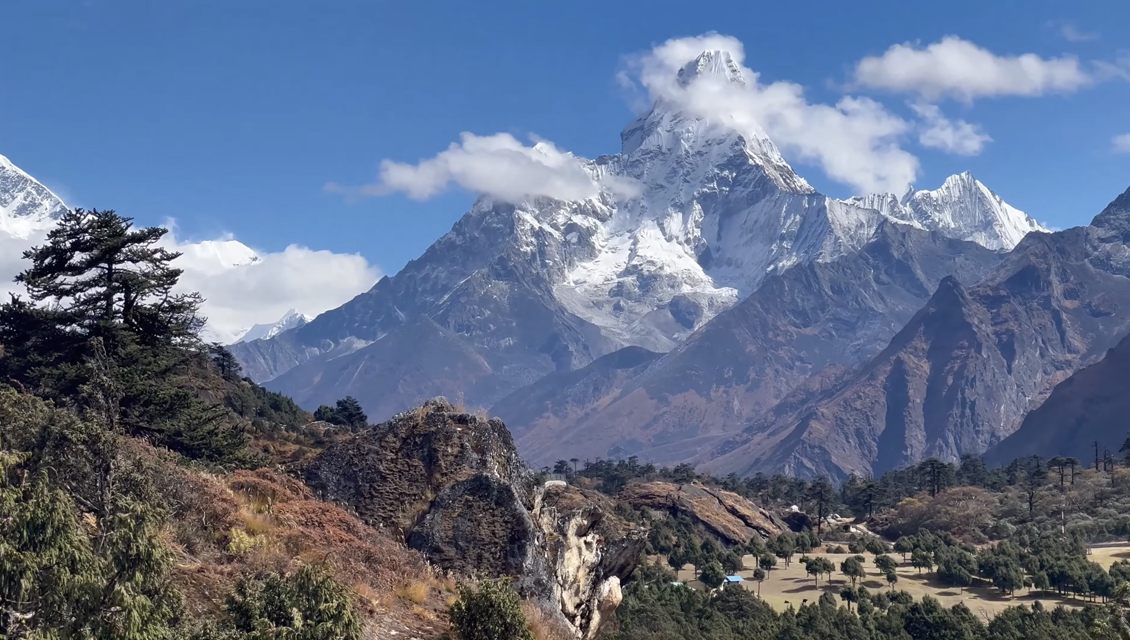
The Ama Dablam Expedition is one of the most iconic and technically respected mountaineering adventures in the Himalayas. Located in the Everest region of Nepal, Ama Dablam is famous for its perfectly shaped pyramid structure and its dramatic southwest ridge, which is considered one of the most beautiful climbing routes in the world.
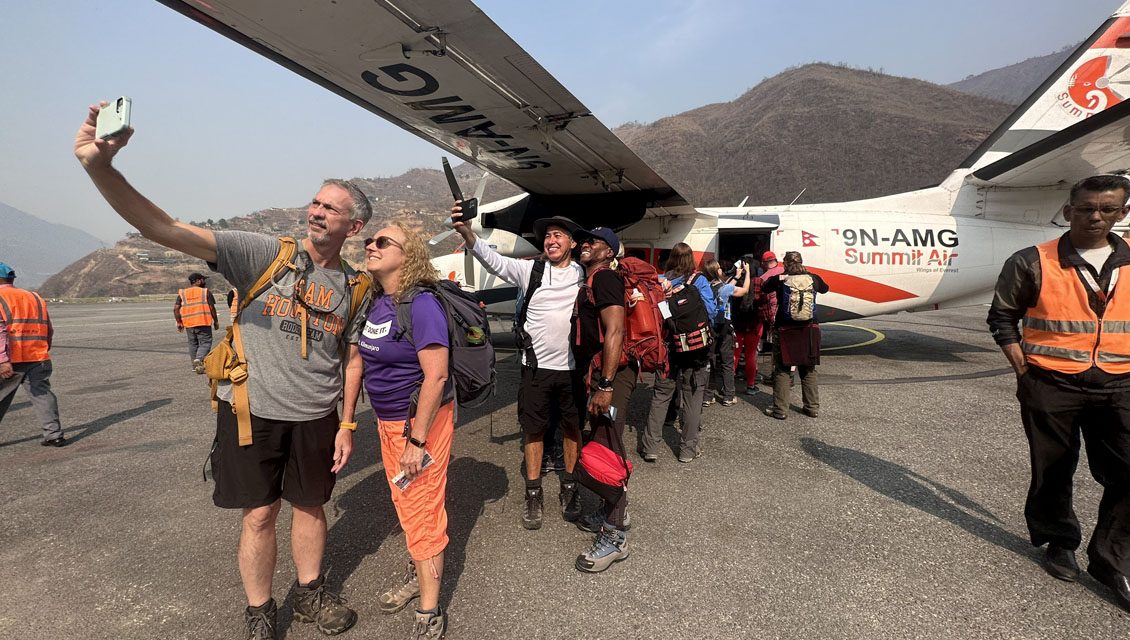
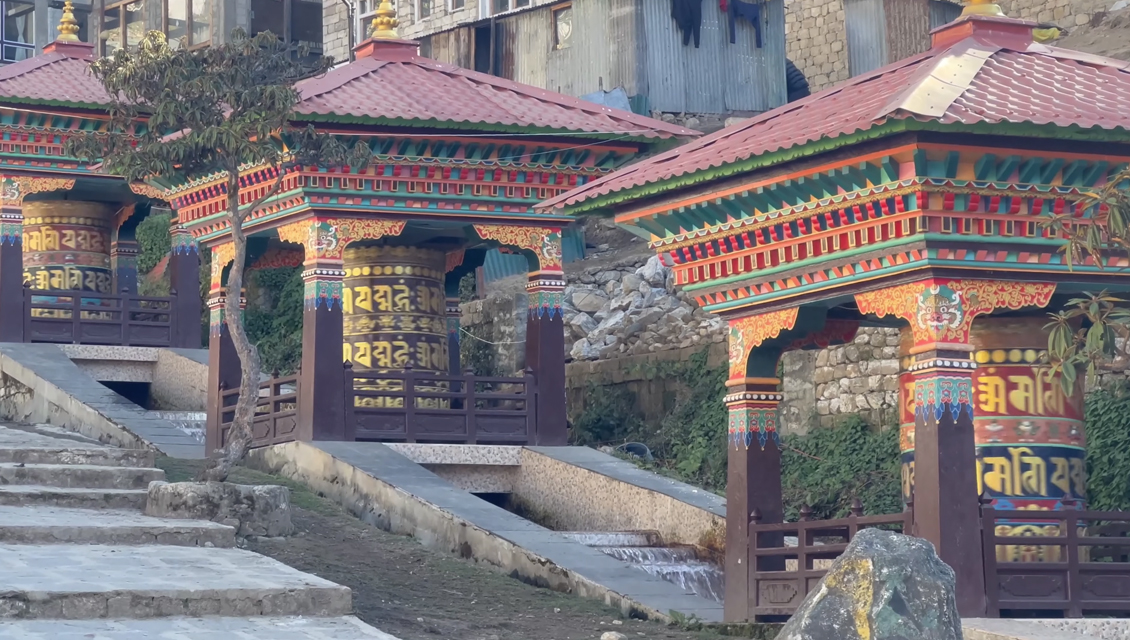
The expedition begins with a scenic flight from Kathmandu to Lukla, followed by a trek through the classic Khumbu Valley. The route passes through famous Sherpa settlements such as Namche Bazaar, Tengboche, and Pangboche, offering a rich combination of natural beauty and Himalayan culture. After reaching Base Camp, climbers establish acclimatization rotations through higher camps before making summit attempts.
Ama Dablam is a technical alpine-style climb involving rock, snow, and ice climbing at high altitude. The route requires strong physical fitness, mental endurance, and prior mountaineering experience. The upper sections, especially near Camp II and the summit ridge, are steep, exposed, and technically demanding. From the summit, climbers are rewarded with one of the most spectacular panoramas in the Himalayas, including Everest, Lhotse, Makalu, and Cho Oyu.
Geography and Landscape
Ama Dablam is located in the Khumbu region within the protected area of Sagarmatha National Park, one of the most famous and visually stunning mountain regions in the world.
The lower part of the journey features lush alpine forests, rhododendron-covered hills, and traditional Sherpa villages. As climbers move higher toward Pangboche and Base Camp, the terrain becomes more rugged, with wide glacial valleys and towering Himalayan peaks dominating the skyline.
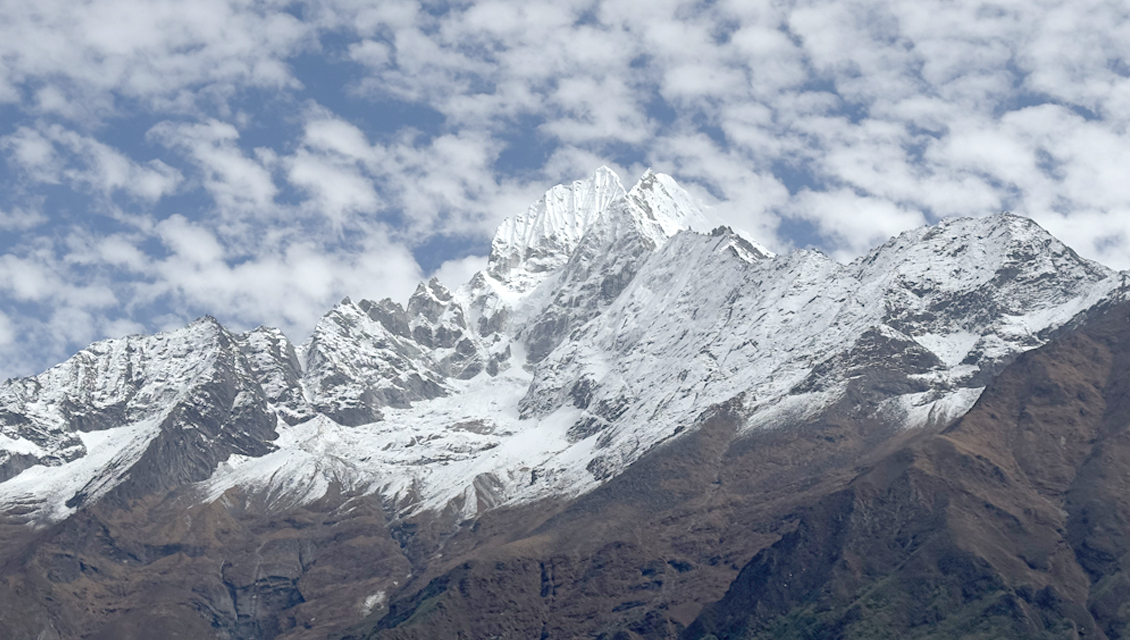
Above Base Camp, the environment shifts into a high-altitude alpine zone characterized by steep rock walls, snow slopes, and exposed ridgelines. The southwest ridge of Ama Dablam is particularly famous for its dramatic exposure, requiring careful climbing and strong rope techniques. The surrounding landscape offers constant views of Everest, Lhotse, Nuptse, and other iconic peaks, making every stage of the climb visually extraordinary.
The mountain itself rises sharply from the valley floor, creating a dramatic and aesthetic climbing environment that is both challenging and inspiring. Its unique shape and technical route make it one of the most photographed peaks in the Himalayas.
Sherpa Guide & Support
The Ama Dablam Expedition is led by highly experienced Sherpa climbing guides who provide full technical, logistical, and safety support throughout the journey. Their expertise is essential due to the mountain’s steep terrain and exposed climbing sections.
Sherpa guides are responsible for route fixing, rope installation, and leading climbers through technical rock and ice sections. They provide hands-on instruction in the use of essential climbing equipment such as crampons, ice axes, ascenders, harnesses, and fixed rope systems. Their experience ensures climbers move safely through exposed ridges and difficult passages.
Acclimatization is carefully managed through staged rotations between Base Camp and higher camps. Guides continuously monitor climbers’ health, oxygen levels, and overall condition to reduce altitude risks. Weather analysis and summit planning are also handled by the expedition team to identify safe climbing windows.
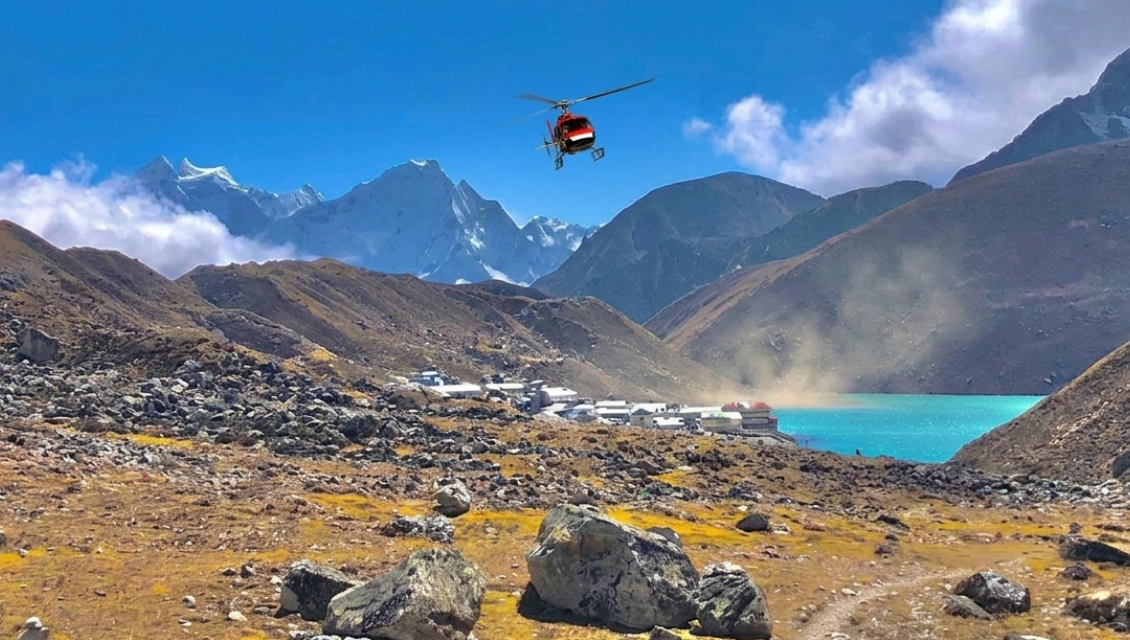
In addition to climbing support, Sherpa teams manage Base Camp logistics, including tents, kitchen operations, communication systems, and emergency coordination. If required, helicopter evacuation support is available from lower sections of the route.
With strong Sherpa leadership, Ama Dablam becomes a well-organized and professionally guided technical expedition.
Package Highlights:
- Summit Ama Dablam (6,812m), one of the most iconic Himalayan peaks.
- Technical alpine climbing with fixed ropes on steep snow, ice, and rock sections.
- Stunning panoramic views of Everest, Lhotse, Makalu, and surrounding peaks.
- Classic expedition in the heart of the Khumbu Valley near Everest Base Camp route.
- Professional Sherpa support for safety, route fixing, and summit guidance.
- Strong acclimatization through trekking and rotation at higher camps.
- Considered one of the most beautiful and prestigious climbing peaks in the world.
- Ideal preparation peak for higher 7,000m–8,000m expeditions.
Book This Trip
Trip Information
 Start : Kathmandu
 Finish : Kathmandu
 Difficulty :
Challenging
Difficulty :
Challenging
 Max Altitude : 6812m
 Group Size : 17 People
 Season : SEP-NOV, MAR-MAY
Trip Gallery







Trip Itinerary
Altitude: 1,400m
Duration: Arrival Day / 1–2 Hours Transfer
Arrival at Tribhuvan International Airport. Meet expedition team and transfer to hotel. Rest and recovery after international flight. Evening briefing covers Ama Dablam route overview, technical difficulty, exposure risks, and safety systems used during steep alpine climbing.
Accomadation: Hotel
Place to visit: Nepal
Meals: Breakfast Lunch Dinner
Altitude: 1,400m
Duration: 6–8 Hours
Complete technical equipment check including mountaineering boots, crampons, helmet, harness, ice axe, ascenders, carabiners, ropes, and down suit (-30°C). All gear is checked for compatibility with fixed rope systems. Missing equipment is arranged. Climbing permit and national park documents are processed.
Accomadation: Hotel
Place to visit: Nepal
Meals: Breakfast Lunch Dinner
Altitude: 1,400m
Duration: 5–7 Hours
Final briefing session with guide and Sherpa team. Topics include rope fixing strategy, camp structure, emergency evacuation procedures, weather forecasting system, and communication protocols. Medical check and insurance verification completed.
Accomadation: Tea House
Place to visit: Nepal
Meals: Breakfast Lunch Dinner
Altitude: 1,400m – 2,860m – 2,610m
Duration: 3–4 Hours Trek + 35-Minute Flight
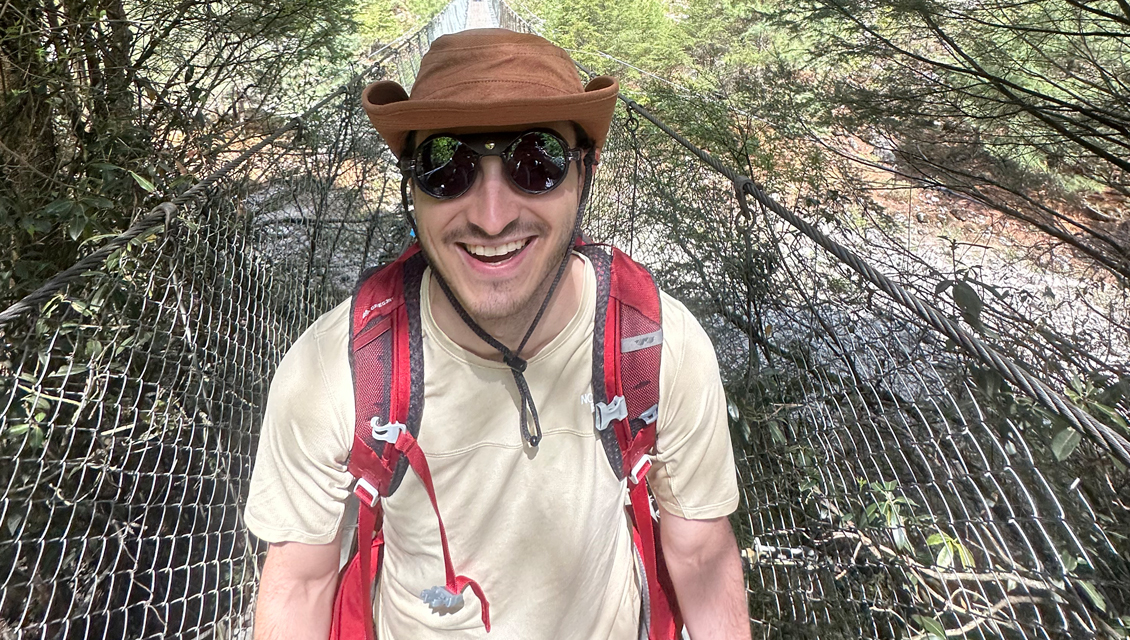
Scenic mountain flight to Lukla followed by a gentle trek through Sherpa villages, suspension bridges, and forested trails. First night in Khumbu region begins natural acclimatization.
Accomadation: Tea House
Place to visit: Everest Region
Meals: Breakfast Lunch Dinner
Altitude: 2,610m – 3,440m
Duration: 6–7 Hours
Steep ascent through Sagarmatha National Park. Cross Hillary Suspension Bridge and climb steadily to Namche Bazaar, the main Sherpa trading hub and acclimatization center.
Accomadation: Tea House
Place to visit: Everest Region
Meals: Breakfast Lunch Dinner
Altitude: 3,440m – 3,880m
Duration: 3–5 Hours
Short acclimatization hike to Everest View Hotel (3,880m) or nearby ridges. First panoramic views of Everest, Lhotse, Nuptse, and Ama Dablam massif.
Accomadation: Tea House
Place to visit: Everest Region
Meals: Breakfast Lunch Dinner
Altitude: 3,440m – 3,860m
Duration: 5–6 Hours
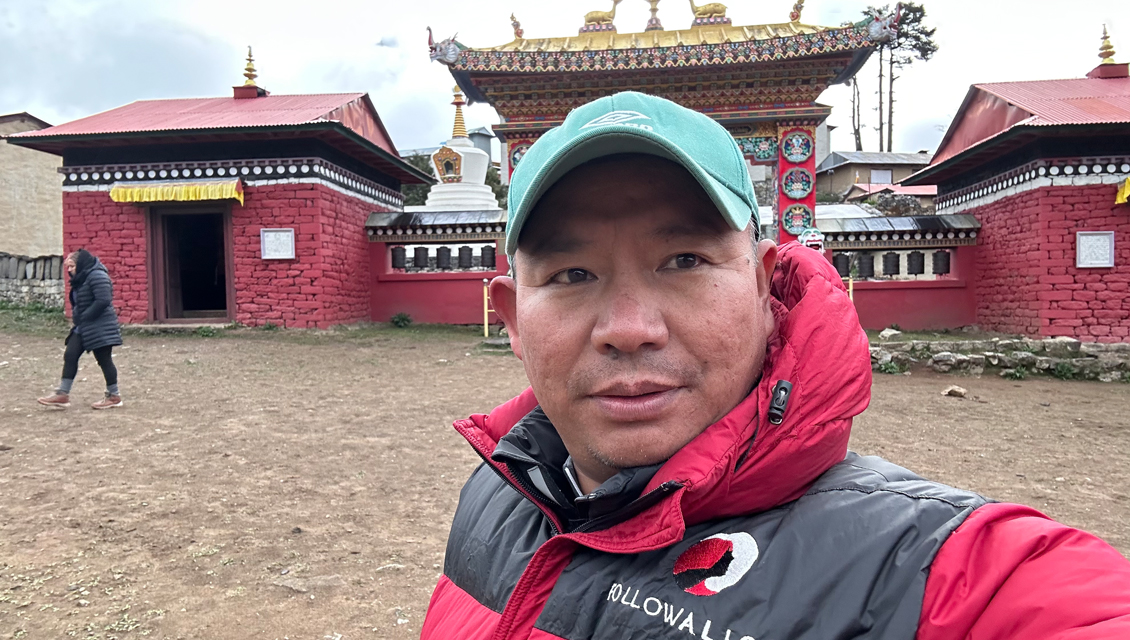
Trek through rhododendron forests and alpine ridges. Visit Tengboche Monastery, a spiritual landmark with dramatic mountain scenery.
Accomadation: Tea House
Place to visit: Everest Region
Meals: Breakfast Lunch Dinner
Altitude: 3,860m – 4,410m
Duration: 5–6 Hours
Trail enters high alpine zone with reduced vegetation. Temperature drops significantly and altitude effects begin to increase.
Accomadation: Tea House
Place to visit: Everest Region
Meals: Breakfast Lunch Dinner
Altitude: 4,410m – 5,100m
Duration: 4–5 Hours
Hike to Nangkartshang Peak (5,100m). This climb helps prepare the body for extreme altitude and improves oxygen efficiency.
Accomadation: Tea House
Place to visit: Everest Region
Meals: Breakfast Lunch Dinner
Altitude: 4,410m – 4,600m
Duration: 5–6 Hours
Trek across moraine terrain to Ama Dablam Base Camp, located below the southwest face. Camp setup begins immediately with expedition infrastructure.
Accomadation: Tent
Place to visit: Everest Region
Meals: Breakfast Lunch Dinner
Altitude: 4,600m
Duration: 2 Days
Full Base Camp setup including sleeping tents, dining tent, kitchen, communication system, and gear storage. Climbers receive detailed briefing on Ama Dablam’s steep climbing sections, including Yellow Tower and Mushroom Ridge.
Accomadation: Tent
Place to visit: Everest Region
Meals: Breakfast Lunch Dinner
Altitude: 4,600m
Duration: 2 Days
Training includes:
- Fixed rope climbing techniques (jumaring)
- Abseiling (rappelling) skills
- Rock climbing on mixed terrain
- Ice axe and crampon movement on steep slopes
- Anchor and belay system training
- Exposure management techniques
This training is critical due to the highly technical nature of Ama Dablam.
Accomadation: Tent
Place to visit: Everest Region
Meals: Breakfast Lunch Dinner
Altitude: 4,600m – 5,700m
Duration: 6–8 Hours
Climb steep grassy slopes and rocky sections using fixed ropes. Camp I is located on a narrow ridge with significant exposure on both sides.
Accomadation: Tent
Place to visit: Everest Region
Meals: Breakfast Lunch Dinner
Altitude: 5,700m
Duration: 3–5 Hours
Short technical climbs around Camp I. Focus on rope efficiency, balance, and movement on exposed terrain.
Accomadation: Tent
Place to visit: Everest Region
Meals: Breakfast Lunch Dinner
Altitude: 5,700m – 4,600m
Duration: 4–6 Hours
Controlled descent for recovery and oxygen restoration.
Accomadation: Tent
Place to visit: Everest Region
Meals: Breakfast Lunch Dinner
Altitude: 4,600m
Duration: Full Day
Full recovery, hydration, nutrition optimization, and medical monitoring.
Accomadation: Tent
Place to visit: Everest Region
Meals: Breakfast Lunch Dinner
Altitude: 4,600m – 5,700m
Duration: 6–8 Hours
Re-ascent through steep terrain, improving speed and efficiency.
Accomadation: Tent
Place to visit: Everest Region
Meals: Breakfast Lunch Dinner
Altitude: 5,700m – 5,900m
Duration: 5–7 Hours
Technical ascent through mixed rock and ice sections. Camp II is located below the Mushroom Ridge and is more exposed to wind and cold conditions.
Accomadation: Tent
Place to visit: Everest Region
Meals: Breakfast Lunch Dinner
Altitude: 5,900m
Duration: Full Night
First high-altitude night near 6,000m. Climbers experience significant oxygen reduction and cold exposure.
Accomadation: Tent
Place to visit: Everest Region
Meals: Breakfast Lunch Dinner
Altitude: 5,900m – 4,600m
Duration: 6–8 Hours
Careful descent through technical sections for full recovery.
Accomadation: Tent
Place to visit: Everest Region
Meals: Breakfast Lunch Dinner
Altitude: 4,600m
Duration: 2 Days
Recovery phase with detailed weather forecasting and summit planning. Expedition leader evaluates route stability and wind conditions.
Accomadation: Tent
Place to visit: Everest Region
Meals: Breakfast Lunch Dinner
Altitude: 4,600m – 5,700m
Duration: 6–8 Hours
Final acclimatization cycle begins.
Accomadation: Tent
Place to visit: Everest Region
Meals: Breakfast Lunch Dinner
Altitude: 5,700m – 6,200m
Duration: 7–9 Hours
Long technical climb through steep rock bands and icy ridges. Camp III is located on a highly exposed ridge section.
Accomadation: Tent
Place to visit: Everest Region
Meals: Breakfast Lunch Dinner
Altitude: 6,200m
Duration: 3–5 Hours
Summit route rehearsal. Rope systems tested. Oxygen use strategy discussed if required.
Accomadation: Tent
Place to visit: Everest Region
Meals: Breakfast Lunch Dinner
Altitude: 6,200m – 4,600m
Duration: 6–8 Hours
Final descent to Base Camp for recovery.
Accomadation: Tent
Place to visit: Everest Region
Meals: Breakfast Lunch Dinner
Altitude: 4,600m
Duration: Full Day
Final weather confirmation and summit go/no-go decision.
Accomadation: Tent
Place to visit: Everest Region
Meals: Breakfast Lunch Dinner
Altitude: 4,600m
Duration: 3–5 Hours
Full summit logistics briefing. Climbers prepare:
- Ropes and carabiners
- Ice tools and crampons
- Emergency kits
- High-energy food and hydration
Sherpa team coordinates final rope fixing strategy.
Accomadation: Tent
Place to visit: Everest Region
Meals: Breakfast Lunch Dinner
Altitude: 4,600m – 6,200m
Duration: 8–10 Hours
Summit push begins. Climbers ascend through all high camps in a continuous rotation.
Accomadation: Tent
Place to visit: Everest Region
Meals: Breakfast Lunch Dinner
Altitude: 6,200m – 6,812m
Duration: 10–14 Hours
Midnight ascent begins. Climbers pass through steep snow slopes, exposed rock sections, and fixed rope ridges. Final summit ridge is highly exposed but offers breathtaking views of Everest, Lhotse, Makalu, and Cho Oyu. After a short summit celebration, immediate descent begins for safety.
Accomadation: Tent
Place to visit: Everest Region
Meals: Breakfast Lunch Dinner
Altitude: 6,200m – 4,600m
Duration: 6–8 Hours
Careful descent through technical terrain.
Accomadation: Tent
Place to visit: Everest Region
Meals: Breakfast Lunch Dinner
Altitude: 4,600m – 3,440m
Duration: 6–7 Hours
Trek down through Khumbu Valley.
Accomadation: Tea House
Place to visit: Everest Region
Meals: Breakfast Lunch Dinner
Altitude: 3,440m – 2,860m
Duration: 6–7 Hours
Final trekking day to airstrip.
Accomadation: Tea House
Place to visit: Everest Region
Meals: Breakfast Lunch Dinner
Altitude: 2,860m – 1,400m
Duration: 35-Minute Flight + Transfers
Return flight to Kathmandu. Hotel transfer.
Accomadation: Hotel
Place to visit: Nepal
Meals: Breakfast Lunch Dinner
Altitude: 1,400m
Duration: Full Day
Recovery, gear return, and expedition debrief.
Accomadation: Hotel
Place to visit: Nepal
Meals: Breakfast
Cost Includes
Accommodation
- 3 nights hotel accommodation in Kathmandu (3-star category or similar)
- Teahouse/lodge accommodation during the trekking section in Khumbu Valley (twin-sharing basis)
- Fully supported tented accommodation at Ama Dablam Base Camp and higher camps (as required)
- High-altitude expedition tents with sleeping mats at all camps above Base Camp
Meals
- Full-board meals (Breakfast, Lunch, Dinner) during trekking and climbing period
- Hygienic, energy-focused expedition meals prepared by experienced kitchen crew at Base Camp
- Hot drinks (tea/coffee) during meals at Base Camp
- Packed meals and high-energy snacks during summit rotation and climbing days
Transportation
- Airport pick-up and drop-off in Kathmandu
- Domestic flight: Kathmandu – Lukla – Kathmandu
- All required ground transportation as per itinerary
- Cargo transport of expedition equipment to Base Camp
Permits & Fees
- Ama Dablam Climbing Permit (Government of Nepal)
- Sagarmatha National Park Entry Permit
- Khumbu Rural Municipality Permit
- Expedition liaison officer and related government fees
Guide & Staff
- Licensed and experienced climbing Sherpa guides
- Trekking guide for approach phase
- Required porters for trekking section (as per group size ratio)
- Climbing Sherpa support for summit rotation and rope fixing
- Staff insurance, wages, food, and accommodation
Climbing Support & Safety
- Full fixed rope setup on climbing route (managed by Sherpa team)
- Basic climbing training (crampon, ice axe, rope techniques)
- Group safety equipment (rope, carabiners, rescue gear)
- First aid kit and oxygen monitoring system at Base Camp
- Emergency coordination and evacuation support assistance
Base Camp Services
- Fully equipped Base Camp setup (tents, dining tent, kitchen tent)
- Cooking gas, utensils, and food storage system
- Communication system (radio/satellite support where available)
- Mattress and sleeping arrangement at Base Camp
Expedition Logistics
- Expedition briefing and route orientation
- Weather monitoring support
- Oxygen saturation monitoring (pulse oximeter checks)
- Expedition coordination and management services
Accommodation
- 3 nights hotel accommodation in Kathmandu (3-star category or similar)
- Teahouse/lodge accommodation during the trekking section in Khumbu Valley (twin-sharing basis)
- Fully supported tented accommodation at Ama Dablam Base Camp and higher camps (as required)
- High-altitude expedition tents with sleeping mats at all camps above Base Camp
Meals
- Full-board meals (Breakfast, Lunch, Dinner) during trekking and climbing period
- Hygienic, energy-focused expedition meals prepared by experienced kitchen crew at Base Camp
- Hot drinks (tea/coffee) during meals at Base Camp
- Packed meals and high-energy snacks during summit rotation and climbing days
Transportation
- Airport pick-up and drop-off in Kathmandu
- Domestic flight: Kathmandu – Lukla – Kathmandu
- All required ground transportation as per itinerary
- Cargo transport of expedition equipment to Base Camp
Permits & Fees
- Ama Dablam Climbing Permit (Government of Nepal)
- Sagarmatha National Park Entry Permit
- Khumbu Rural Municipality Permit
- Expedition liaison officer and related government fees
Guide & Staff
- Licensed and experienced climbing Sherpa guides
- Trekking guide for approach phase
- Required porters for trekking section (as per group size ratio)
- Climbing Sherpa support for summit rotation and rope fixing
- Staff insurance, wages, food, and accommodation
Climbing Support & Safety
- Full fixed rope setup on climbing route (managed by Sherpa team)
- Basic climbing training (crampon, ice axe, rope techniques)
- Group safety equipment (rope, carabiners, rescue gear)
- First aid kit and oxygen monitoring system at Base Camp
- Emergency coordination and evacuation support assistance
Base Camp Services
- Fully equipped Base Camp setup (tents, dining tent, kitchen tent)
- Cooking gas, utensils, and food storage system
- Communication system (radio/satellite support where available)
- Mattress and sleeping arrangement at Base Camp
Expedition Logistics
- Expedition briefing and route orientation
- Weather monitoring support
- Oxygen saturation monitoring (pulse oximeter checks)
- Expedition coordination and management services
Cost Excludes
International Travel
- International flights to/from Nepal
- Nepal visa fee (USD 30–125 depending on duration)
Personal Climbing Equipment
- Mountaineering boots (double boots)
- Crampons, ice axe, helmet, harness, ascender
- Down suit (-30°C recommended)
- Sleeping bag (-30°C to -40°C)
- Personal climbing gloves, goggles, and technical clothing
- Personal backpack and trekking gear
Insurance (Mandatory)
- High-altitude travel insurance covering up to 7,000m
- Must include helicopter evacuation and medical emergency coverage
- Rescue, hospitalization, and accident coverage
Personal Expenses
- Drinks (soft drinks, bottled water, alcohol)
- Wi-Fi, hot showers, and charging fees during trek
- Snacks, chocolates, and personal food items
- Laundry and personal hygiene items
Kathmandu Expenses
- Extra hotel nights in Kathmandu due to early arrival or delays
- Lunch and dinner in Kathmandu (except included meals if specified)
- Personal shopping and equipment rental costs
Emergency & Unexpected Costs
- Helicopter evacuation (if required)
- Medical treatment or hospitalization costs
- Additional accommodation due to weather delays
- Extra porter or transport charges due to itinerary changes
Tips & Miscellaneous
- Tips for guides, Sherpas, cooks, and porters
- Any personal expenses not mentioned in “Cost Includes” section
- Damage or loss of personal equipment
International Travel
- International flights to/from Nepal
- Nepal visa fee (USD 30–125 depending on duration)
Personal Climbing Equipment
- Mountaineering boots (double boots)
- Crampons, ice axe, helmet, harness, ascender
- Down suit (-30°C recommended)
- Sleeping bag (-30°C to -40°C)
- Personal climbing gloves, goggles, and technical clothing
- Personal backpack and trekking gear
Insurance (Mandatory)
- High-altitude travel insurance covering up to 7,000m
- Must include helicopter evacuation and medical emergency coverage
- Rescue, hospitalization, and accident coverage
Personal Expenses
- Drinks (soft drinks, bottled water, alcohol)
- Wi-Fi, hot showers, and charging fees during trek
- Snacks, chocolates, and personal food items
- Laundry and personal hygiene items
Kathmandu Expenses
- Extra hotel nights in Kathmandu due to early arrival or delays
- Lunch and dinner in Kathmandu (except included meals if specified)
- Personal shopping and equipment rental costs
Emergency & Unexpected Costs
- Helicopter evacuation (if required)
- Medical treatment or hospitalization costs
- Additional accommodation due to weather delays
- Extra porter or transport charges due to itinerary changes
Tips & Miscellaneous
- Tips for guides, Sherpas, cooks, and porters
- Any personal expenses not mentioned in “Cost Includes” section
- Damage or loss of personal equipment
Trip Date And Time
Select Your Preferred Departure - We'll Handle the Rest.
Essential Information
Accommodation
Accommodation during the Ama Dablam Expedition is carefully arranged to ensure comfort and proper acclimatization throughout the journey. In Kathmandu, climbers stay in a comfortable 3-star hotel with modern amenities before and after the expedition. During the trekking phase in the Everest region, accommodation is provided in well-managed teahouses along the route via Namche Bazaar, Tengboche, and Pangboche.
From Base Camp onward, the expedition transitions into a fully supported camping system. Base Camp and higher camps (Camp I, Camp II, and Camp III) are equipped with high-quality expedition tents, including sleeping tents, dining tents, kitchen tents, and toilet facilities. The camp setup is designed to provide safety, comfort, and efficiency in a high-altitude alpine environment.
Meals
The expedition includes full-board meals (Breakfast, Lunch, and Dinner) throughout both the trekking and climbing phases. At lower elevations, meals are provided in teahouses with a mix of Nepali, Asian, and international cuisine. At higher camps, a professional cook team prepares nutritious, high-calorie meals designed specifically for extreme altitude conditions.
The menu typically includes soups, pasta, rice dishes, vegetables, energy-rich carbohydrates, and hot beverages. During summit push, climbers are provided with packed meals and high-energy snacks to maintain endurance and hydration in harsh alpine conditions.
Difficulty and Fitness
Ama Dablam (6,812m) is considered one of the most technical trekking peaks in Nepal and requires strong mountaineering experience. It is not suitable for beginners. Climbers must possess excellent physical fitness, strong mental endurance, and prior experience on high-altitude technical peaks.
The route includes steep rock climbing, exposed ridges, mixed ice and snow terrain, and fixed rope sections. The final summit ridge is particularly exposed and requires careful movement and confidence at altitude. Proper acclimatization and climbing efficiency are essential for a successful ascent.
Permits
The following permits are required for the expedition:
- Ama Dablam Climbing Permit
- Sagarmatha National Park Entry Permit
- Khumbu Rural Municipality Permit
All necessary permits and administrative arrangements are handled by the expedition operator before departure.
Best Time to Climb
The best seasons for Ama Dablam Expedition are:
Spring (April–May)
- Stable weather conditions
- Moderate temperatures
- High summit success rate
- Excellent climbing conditions
Autumn (October–November)
- Clear skies and excellent visibility
- Stable Himalayan weather patterns
- Ideal conditions for technical climbing
Winter and monsoon seasons are generally not recommended due to extreme cold, snowfall, and unstable weather conditions.
Transportation
The expedition begins with a scenic flight from Kathmandu to Lukla, the gateway to the Everest region. From Lukla, the trail passes through famous Sherpa villages including Namche Bazaar, Tengboche, and Pangboche before reaching Ama Dablam Base Camp.
All logistics, including domestic flights and ground transportation, are organized by the expedition team. Flight schedules may be affected by weather conditions in the Himalayan region.
Safety and Altitude
Ama Dablam is a highly technical expedition that requires strict safety protocols. The itinerary is carefully designed with gradual acclimatization rotations between camps to reduce altitude-related risks.
Experienced climbing guides manage route fixing, rope installation, and safety systems throughout the mountain. Regular health monitoring is conducted using pulse oximeters, and climbers are closely observed for signs of altitude sickness. Emergency evacuation plans, including helicopter rescue support, are available if required.
Travel and High Altitude Insurance
Comprehensive travel insurance is mandatory for all climbers. The insurance must cover:
- High-altitude climbing up to at least 7,000 meters
- Emergency helicopter evacuation
- Medical treatment and emergency rescue operations
- Trip cancellation and interruption coverage
Proper insurance ensures safety and financial protection in extreme mountain conditions.
Extra Information
Climbing Training and Preparation
Before the summit rotation, climbers receive detailed technical training from experienced Sherpa guides. This includes:
- Fixed rope climbing techniques
- Use of ascenders (jumars)
- Crampon and ice axe techniques
- Rock climbing on exposed terrain
- Abseiling (rappelling) procedures
- Glacier travel and rope team movement
- High-altitude safety and risk management
This preparation is essential for safely navigating Ama Dablam’s technical sections.
Climbing Equipment
Climbers must carry professional-grade alpine equipment suitable for extreme altitude and technical terrain, including:
- Double-layer mountaineering boots
- Crampons and technical ice axe
- Climbing harness and helmet
- Ascender (Jumar), carabiners, and slings
- Insulated down suit and layering system
- Sleeping bag rated to -20°C to -30°C
- Glacier goggles and UV-protection sunglasses
- Headlamp with spare batteries
- Personal medical and hygiene kit
High-quality gear is essential for safety and performance at altitude.
Why Choose Ama Dablam?
Ama Dablam is widely regarded as one of the most prestigious climbing peaks in the Himalayas. It offers a perfect balance of technical difficulty, aesthetic beauty, and high-altitude challenge.
Key reasons to choose this expedition include:
- One of the most beautiful mountains in the world
- Highly technical and rewarding alpine climbing experience
- Classic Himalayan expedition structure with multiple camps
- Stunning views of Everest, Lhotse, Makalu, and surrounding peaks
- Advanced fixed rope climbing on exposed ridges
- Strong Sherpa expedition support system
- Excellent training ground for 7,000m and 8,000m peaks
Ama Dablam Expedition is a true mountaineering achievement, offering climbers a world-class alpine challenge in the heart of the Everest region.
USD 9090 / person
See group booking discount- No. of person Price per person
- 1 USD 9090.00
- 2-3 USD 8300.00
- 4-7 USD 7500.00
- 8-12 USD 6700.00
- 13-17 USD 5090.00
The price may varies
Speak to an Expert